
How Yorta built an AI assistant and raised conversion by 55%
More than 100 hours of expert meetings were turned into a sales knowledge base and an AI assistant was launched that helps managers handle objections.
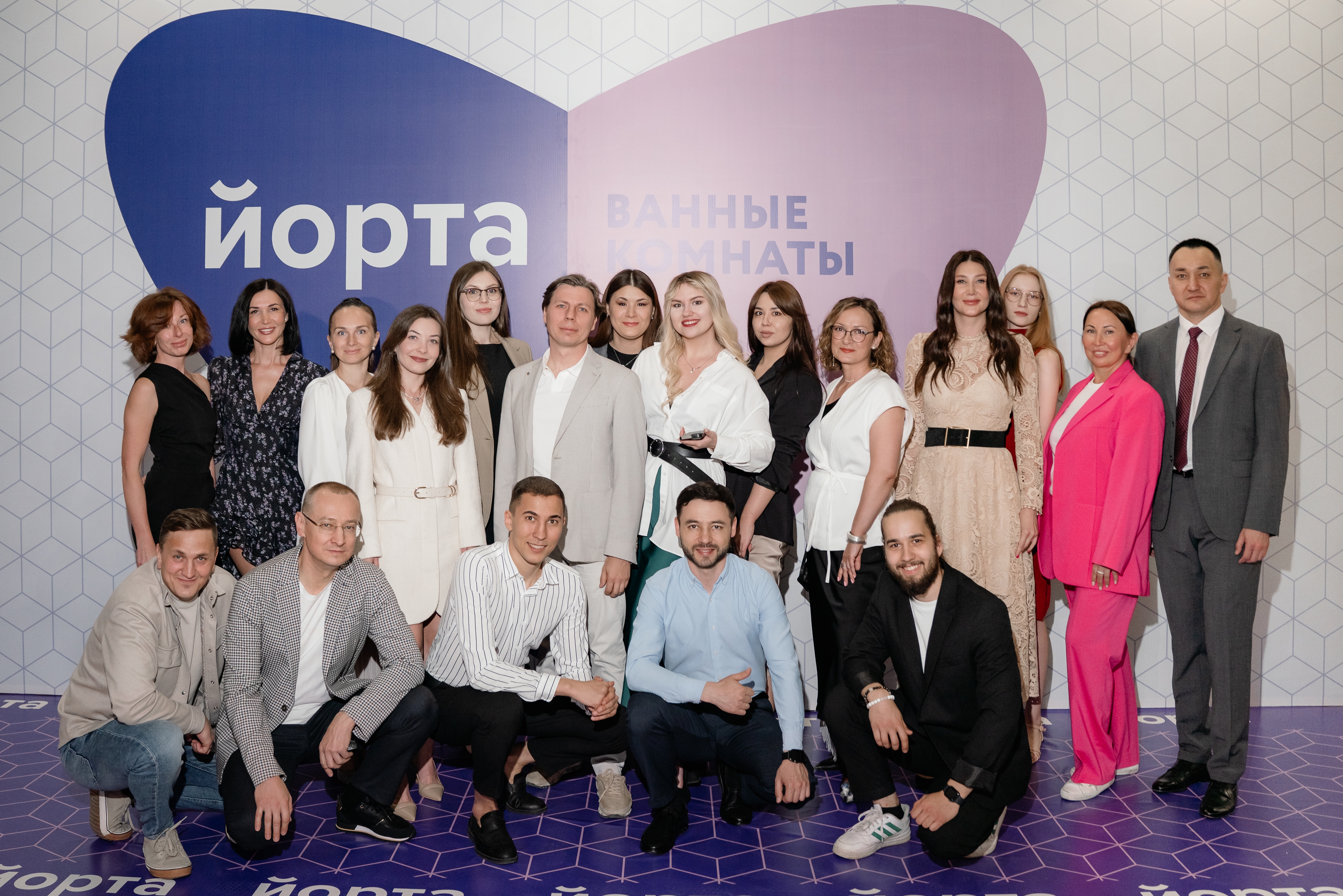
At Yorta, our bathroom products project, we created an AI assistant for the sales department based on our own knowledge base. It includes materials from expert consultations and real customer conversations. Managers turn to the assistant through Telegram to work through an objection and prepare an answer that takes the buyer’s situation into account. According to our internal data for June–August 2026, the conversion of the pilot group rose by 55% relative to managers working without the bot.
Behind this result is a task many companies face: how to preserve accumulated expertise and make it available to employees at the moment it is really needed. For us the starting point was the loss of knowledge after a key person left. That experience showed that consultations paid for by the company and the approaches developed can remain effectively inaccessible to the rest of the team unless they are turned into a shared base.
The task: preserve knowledge and help managers in difficult negotiations
For a long time I considered the team the company’s main asset. But when an employee leaves, knowledge of a whole area can go with them, including experience they received from invited experts at the business’s expense. After such a situation we decided to record consultations and working discussions systematically so that accumulated expertise stays inside the company and is used repeatedly.
At the same time the sales department needed support in handling objections. A customer might compare a product with a neighboring showroom’s offer, ask for a discount or vanish for a long time after a consultation. It was important for the manager to understand which argument would help continue the conversation, especially when there is no room to cut the price. So we saw the future knowledge base as the foundation of a tool that would help in specific negotiations.
The solution: turn meeting recordings into a working base
We collected recordings of consultations with market experts, customer calls and internal Zoom meetings. Expert discussions alone amounted to more than 100 hours, about 40 transcript files. The materials were sorted by sales-related topics: working with price, the customer’s doubts, comparison with competitors and other recurring situations.
Examples of deals and customer correspondence were added to this base. They made it possible to rely on concrete experience: what objection arose, what the manager answered and how the conversation ended. As the materials accumulated it became clear that many buyers’ doubts repeat even though they are worded differently. This became the basis for an assistant that helps find a suitable answer scenario.
At the first stage we limited ourselves to a minimum working version, an MVP. For the base, files inside an AI project were enough, with no separate infrastructure and no specialized vector database. We left the development of the system for the next stage: first we needed to check whether the accumulated expertise helps managers in real work.
How Yorta AI works: from correspondence to an argument
For managers the assistant is available in the familiar Telegram. An employee forwards a customer conversation and asks a question, after which the bot matches the situation to the accumulated materials and suggests an answer. The negotiation itself is still led by a person: they get a hint rather than handing communication with the buyer to an autonomous agent.
One telling case was a customer who, after a free design project, wrote: “Expensive, the showroom next door has the same sink cheaper”, and disappeared for three days. The deal had seemed close to completion, but the manager could not cut the price and did not know what argument would bring the buyer back into the conversation. He passed the correspondence to Yorta AI to work through the objection.
The assistant proposed a hypothesis: it matters to the buyer that the sink looks expensive, and the difference between the offers is not yet obvious to them. Instead of a discount the bot recommended explaining the features of sanitary porcelain and putting the emphasis on the product’s appearance, in particular the gloss of the surface. The manager used this approach and the customer returned to the discussion. After an additional comparison with competitors he bought, a week later, not a single sink but a complete set, which we call a box.
From this case we derived a working rule: before discussing a concession, help the customer see the differences between products. Behind a price comparison there may be a fear of overpaying for an identical result, so the seller’s task is to find out the selection criteria and explain the significant advantages. Now the assistant first looks for such an argument and only then considers the possibility of a concession.
The pilot’s result and what it means for the company
For June–August 2026 the conversion of the pilot group that used the assistant rose by 55% relative to managers without the bot. This is the result of our internal comparison for a specific period. It shows the effect in Yorta’s conditions but does not mean that any sales department will automatically get the same growth after connecting AI.
For us the value of the project turned out to be wider than a single metric. Expert consultations that once had to be recalled or searched for in recordings became the basis of hints for everyday work. Accumulated knowledge found practical use at the moment of talking to a customer, and managers got extra support in handling doubts and price comparisons.
The assistant remains an MVP. The next stage of development involves expanding the base and making search more sophisticated as the volume of materials grows. We deliberately began with a solution whose usefulness can be checked now, instead of first building infrastructure for every possible future task.
How to apply this approach in your own sales department
You can begin with a small selection of 10–15 successful deals in which managers handled objections and brought the customer to payment. It is important to keep the context of the conversation: the buyer’s doubt, the argument offered and the outcome. In parallel it is worth collecting expert consultations and sorting their transcripts by topic so that the base reflects the real situations of the business.
To test the idea it is enough to load the prepared materials into an AI workspace and set the rules for answers: take context into account, rely on the base, look for the reason for the objection and offer arguments before discussing a discount. If the helper proves useful, it can be connected to the team’s usual working channel, and the base regularly topped up with new successful conversations. This is one possible way to repeat the approach; the specific tools and integrations depend on how the company is set up.
The main lesson of our project is that knowledge becomes a business asset when it is recorded, available to the team and used in work. At Yorta this base became the foundation of an AI assistant that strengthens the salesperson and helps them notice what they might have missed. That is how I understand AI as an exoskeleton: the decision stays with the person, but behind them works the company’s accumulated expertise.


