How Tiqum built a digital platform for the engineering design of excavation support
Tiqum developed HydroWeb, an engineering platform that speeds up the calculation of loads on excavation walls, improves accuracy and reduces design risk

We created the HydroWeb digital platform: developed the calculation core, the interface and the algorithms and sped engineering calculations up to 0.2 seconds.
The task:
Create a modern digital platform that lets engineers perform complex geotechnical calculations of excavation support walls faster, more accurately and more safely. It required an interface, a visual system and our own high-precision calculation core compliant with Russian and international standards.
The reason:
Engineers spend hours calculating the stability of excavations, switching between methods, catalogs and Excel models. Errors in the input data and the human factor lead to drawn-out approvals, financial losses and safety risks on site. The client wanted a tool that would make calculations predictable, shorten the work and reduce the likelihood of errors.
1. What HydroWeb is
HydroWeb is a web platform for calculating the loads on and stability of excavation support walls, based on its own method and calculation core. The product lets engineers model the behavior of retaining structures of any type, compare scenarios and generate reports for clients.
HydroWeb is a web platform for calculating the loads on and stability of excavation support walls, based on its own method and calculation core. The product lets engineers model the behavior of retaining structures of any type, compare scenarios and generate reports for clients.
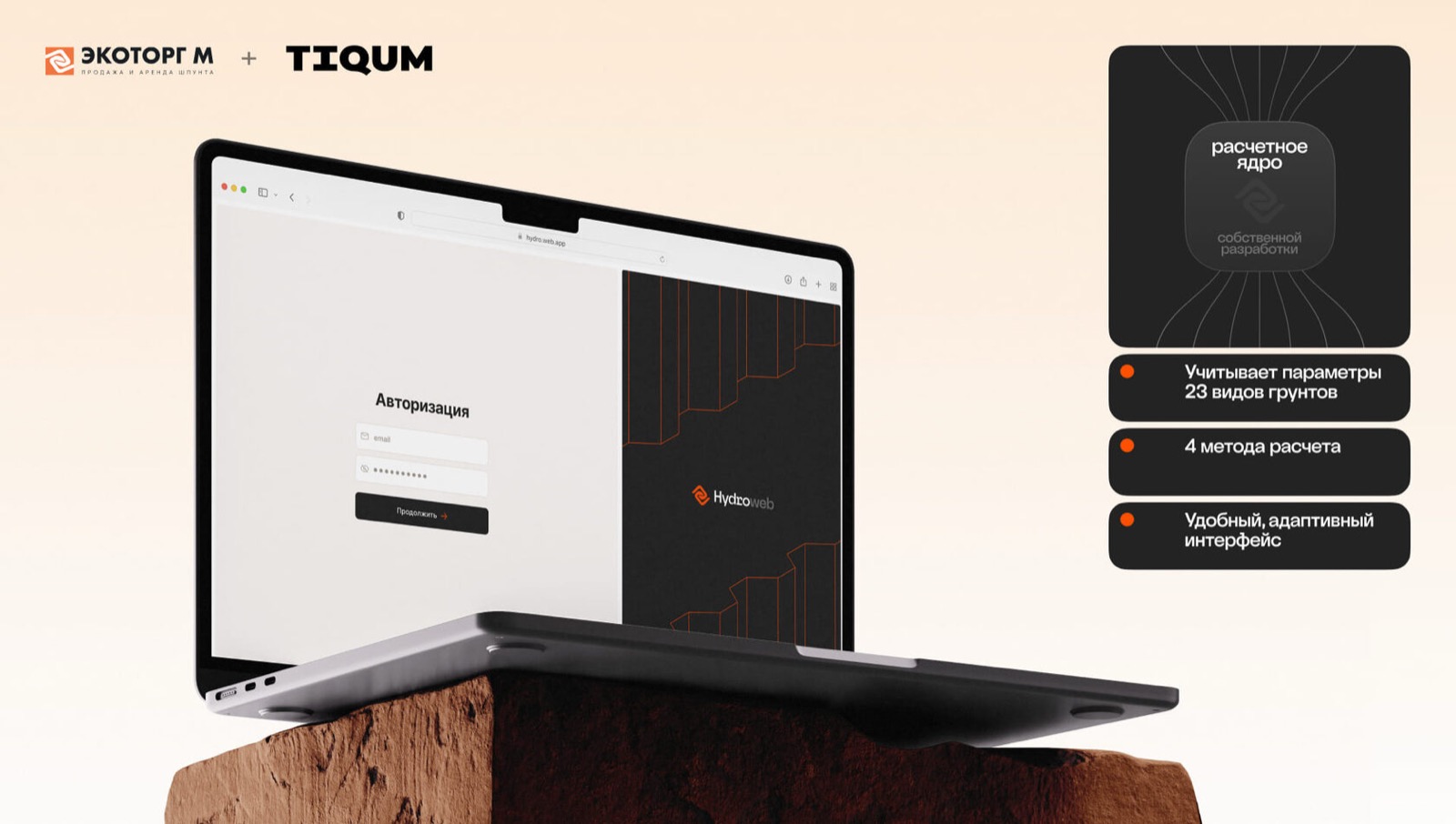
The platform combines elements of classic engineering software (precise methods, strict standards, algorithms), modern UX approaches and high computing performance.
2. How we approached the design
Before starting the design, the Tiqum team ran a series of in-depth interviews with engineers who work with support wall calculations every day. On that basis we formed the product's UX architecture and identified three key tasks:
2. How we approached the design
Before starting the design, the Tiqum team ran a series of in-depth interviews with engineers who work with support wall calculations every day. On that basis we formed the product's UX architecture and identified three key tasks:
- Speed up the calculations and make them visual
- The engineer must see changes instantly, without reopening windows or long loading.
- Combine data entry and results on one screen
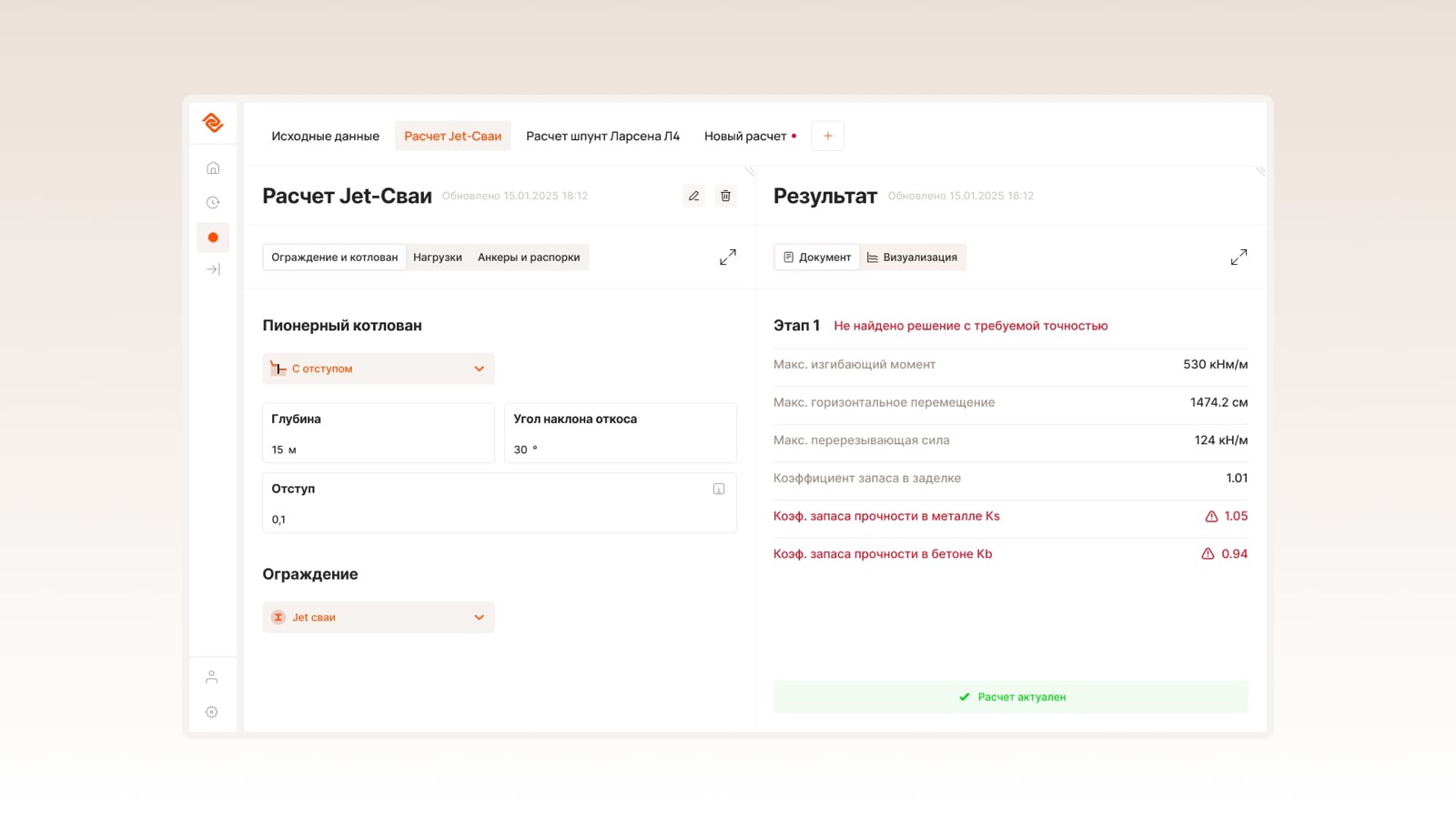
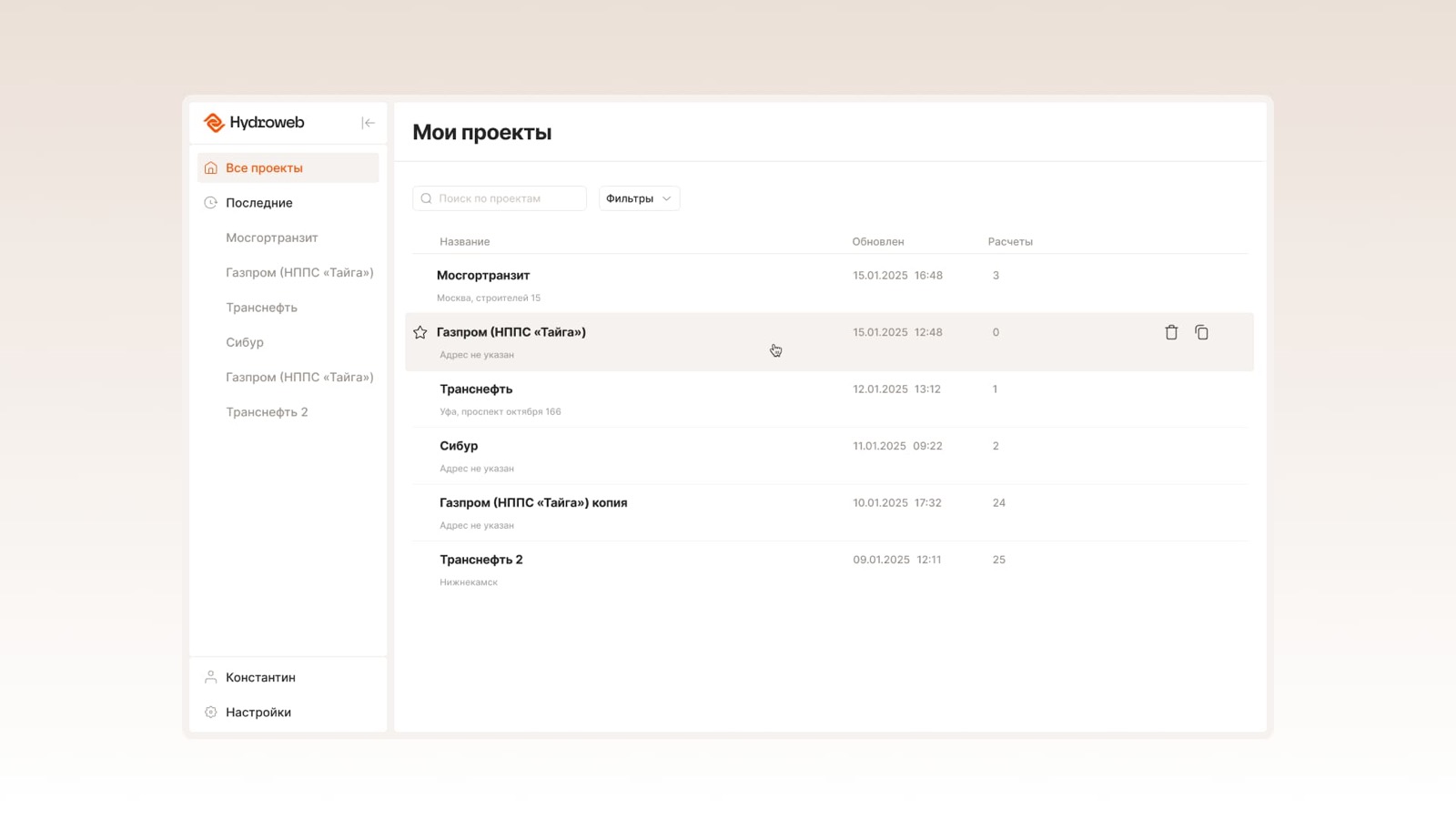
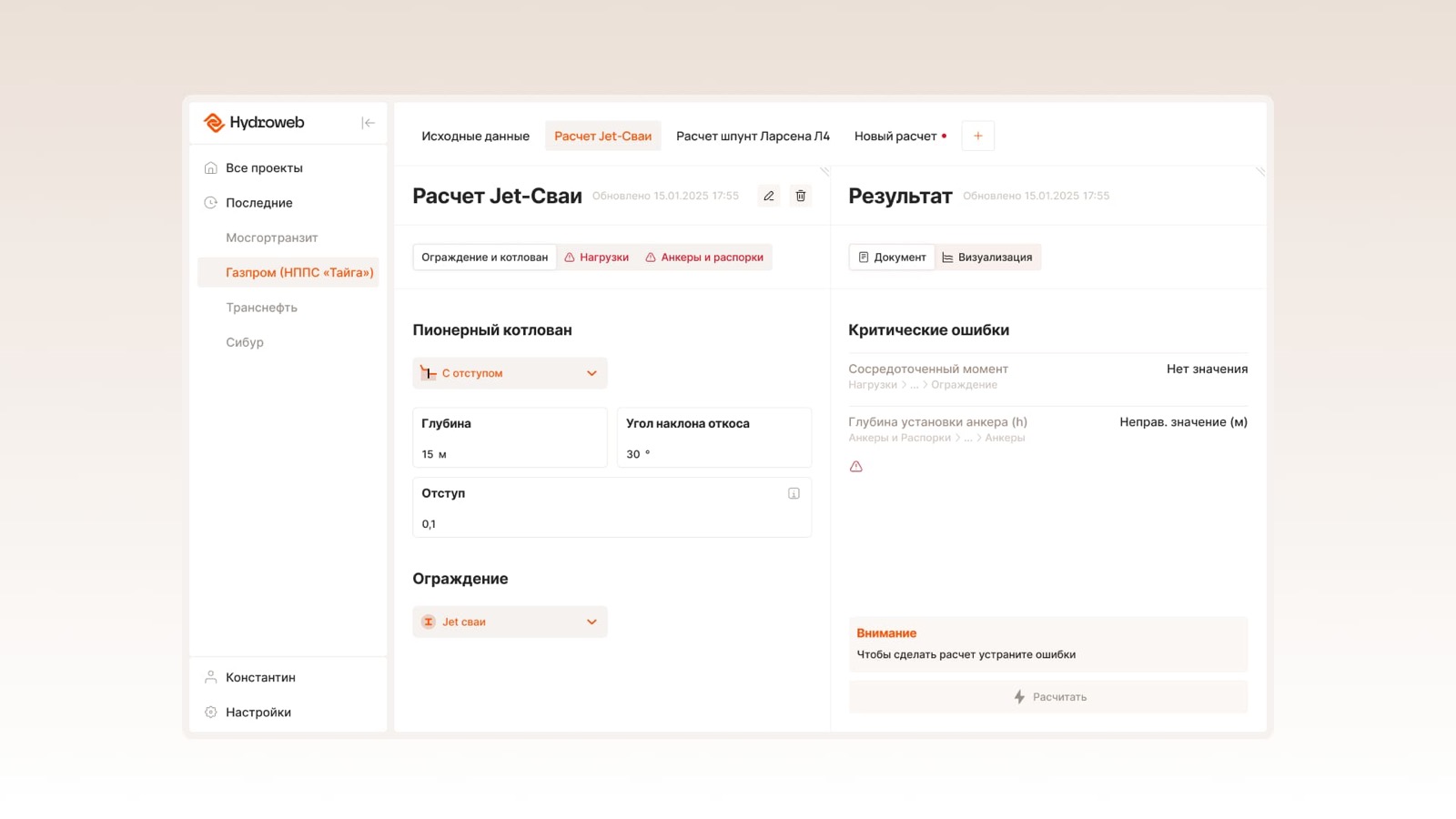
- We divided the interface into two zones: the input data on the left and the calculation results in real time on the right.
- Support work with several models at once
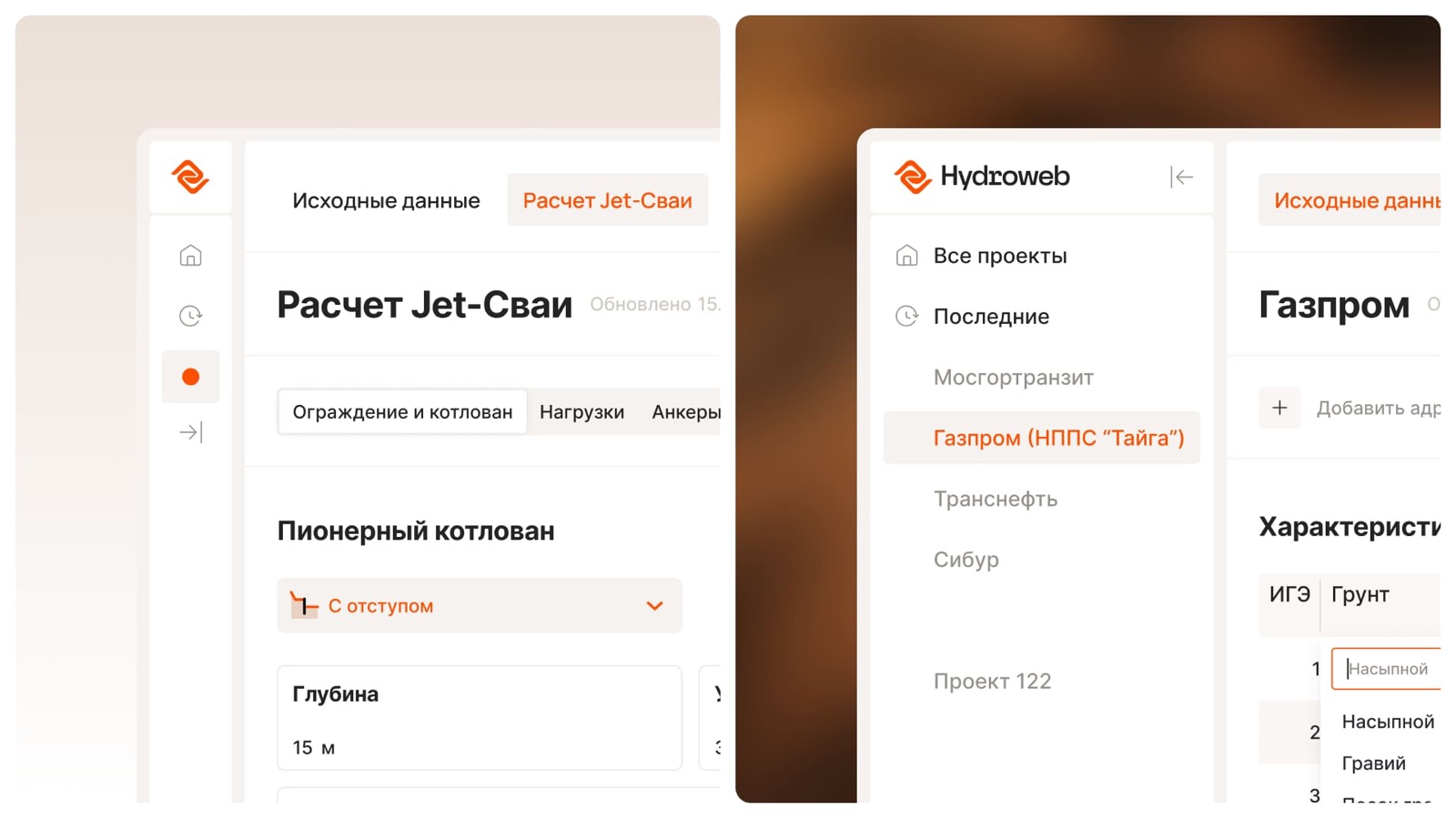
- Engineers often compare different scenarios, so we introduced calculation tabs, presets and customization of the workspace.
3. How the project changed the user experience
The main effect was the fast updating of calculations: as little as 0.2 seconds instead of several seconds or minutes.
This made it possible to:
The system became intuitive even for engineers without deep experience of specialized software: all the data is in front of your eyes, the interface responds to changes instantly, and a report is generated in a couple of clicks.
The main effect was the fast updating of calculations: as little as 0.2 seconds instead of several seconds or minutes.
This made it possible to:
- model alternative scenarios without delay;
- refine parameters quickly and see the result at once;
- minimize the errors that come from switching between programs;
- hand results over to clients faster.
The system became intuitive even for engineers without deep experience of specialized software: all the data is in front of your eyes, the interface responds to changes instantly, and a report is generated in a couple of clicks.
4. The business task and its solution
Our task was to develop a digital platform that combines:
We created a specialized calculation core based on the finite element method.
The core divides the wall into many beam elements and performs the calculation iteratively, taking into account the interplay of soil pressure and deformation.
This approach gives flexibility and accuracy unavailable in ordinary static calculators.
Our task was to develop a digital platform that combines:
- current Russian building codes (SP 22.13330.2016);
- classic engineering methods (Sokolovsky, Sorochan);
- international standards (Eurocode 7);
- calculation of stability, strength and deformation;
- a convenient interface for engineers and project managers.
We created a specialized calculation core based on the finite element method.
The core divides the wall into many beam elements and performs the calculation iteratively, taking into account the interplay of soil pressure and deformation.
This approach gives flexibility and accuracy unavailable in ordinary static calculators.
5. Craft and technical implementation
Four groups of methods are built into the calculation core:
In addition we developed:
The interface is built on a modular architecture, synchronizes with the core in real time and supports parallel work.
Four groups of methods are built into the calculation core:
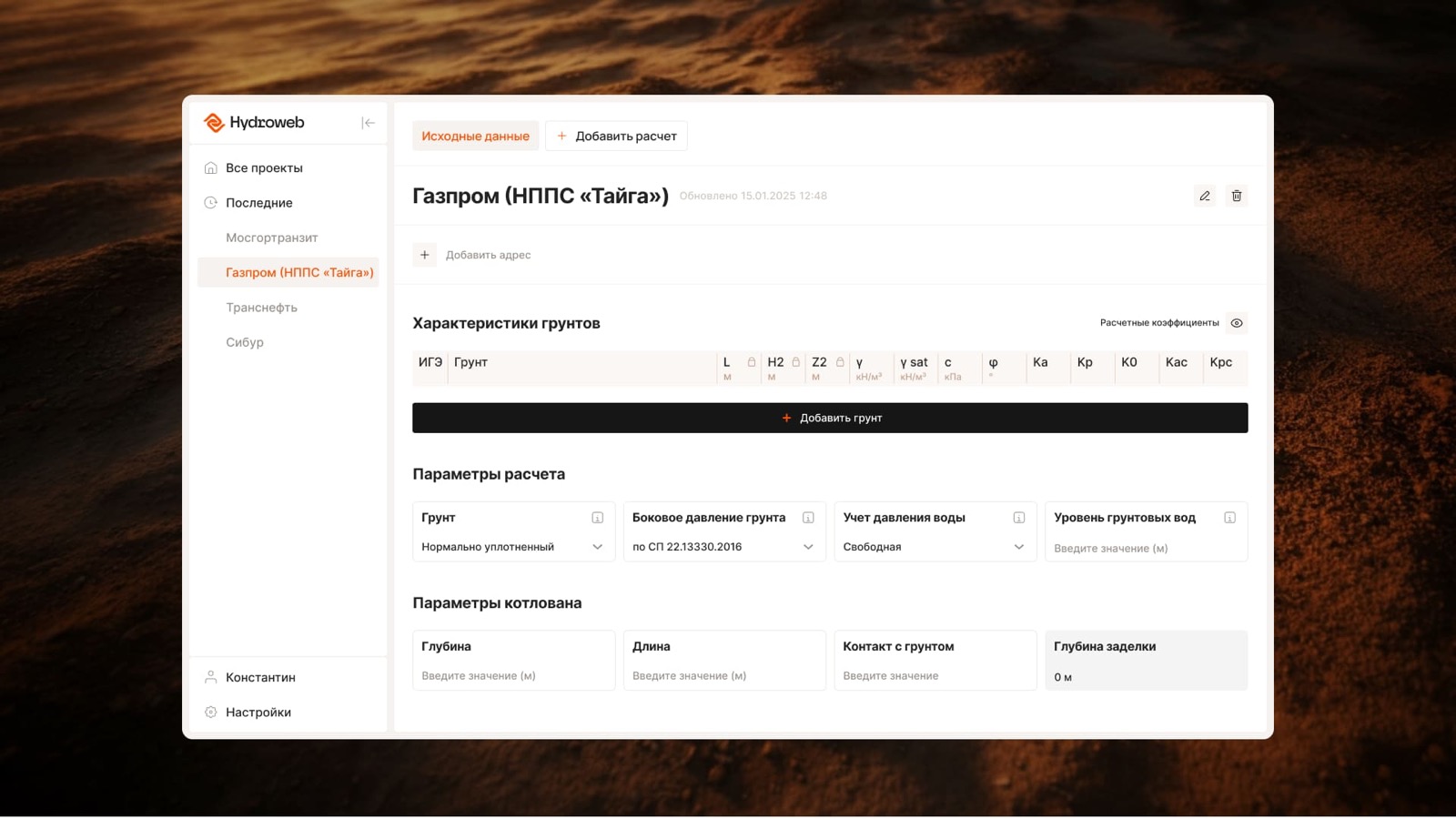
- Calculation of soil pressure, taking into account surface loads, the groundwater level and the type of pressure.
- Bending of the wall under pressure.
- Stability of the structure: checking the risk of soil collapse.
- Strength of the wall: checking the structure's ability to withstand the load.
In addition we developed:
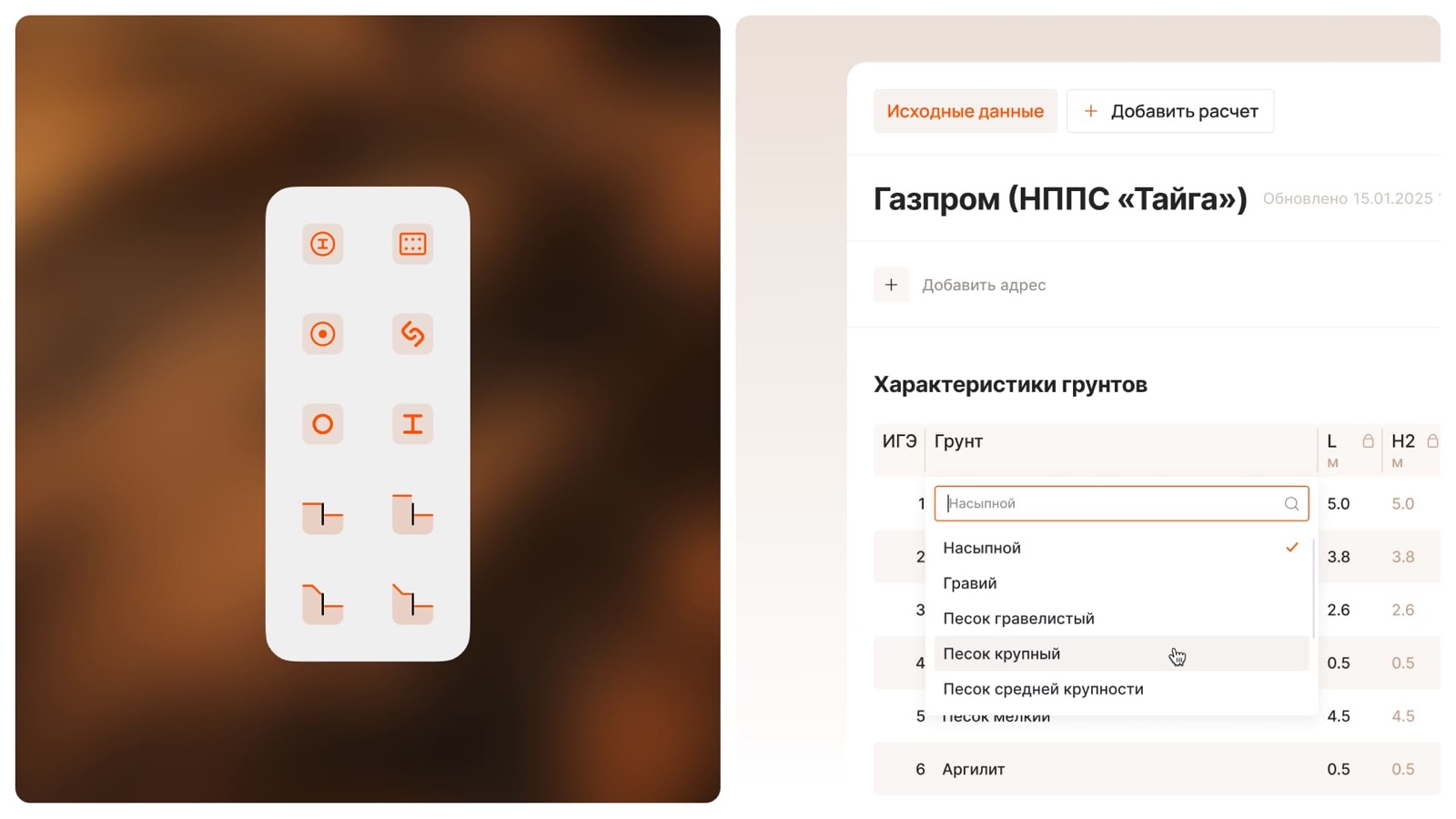
- a reference of 23 soil types;
- a library of 4 types of sheet piling, plus customization;
- a module for visualizing results;
- an asynchronous multithreaded architecture;
- a reporting module;
- our own design system and UI kit.
The interface is built on a modular architecture, synchronizes with the core in real time and supports parallel work.
6. Working with the client
We worked in short sprints:
The Tiqum team immersed itself in geomechanics, standards, engineers' tasks, documents and real projects.
This format produced a high-precision engineering system rather than just a calculator.
We worked in short sprints:
- prototype → testing by engineers → refinement;
- MVP → testing on real sites → improvements;
- preparation for release.
The Tiqum team immersed itself in geomechanics, standards, engineers' tasks, documents and real projects.
This format produced a high-precision engineering system rather than just a calculator.