How we rescued a Huawei platform and built a smart home with a single interface
Huawei's platform ran into interface chaos. We rethought the UX and turned a raw product into the Smartera smart home system

We created a unified UX and a scenario builder for the smart home. We simplified setup, improved stability and made the user experience better.
The task:
Solve the problem of inconvenient, fragmented interfaces in Huawei's Netopin ecosystem, simplify device setup and make the platform more stable.
The reason:
The Netopin platform allowed any device to be connected without a single UX standard. Users complained about chaos in control, and Huawei was looking for a product team that would fix the situation quickly and without damage to its reputation.
Huawei entered the smart home market with the ambitious Netopin platform, open to all manufacturers. But because there was no standard for the quality of interfaces and firmware, the platform ended up with tens of thousands of devices with fragmented, inconvenient, poorly working UIs. For the user it turned into chaos: different control scenarios, automation failures, difficult setup. An urgent, large-scale solution was needed that would change the experience of using the platform and make it convenient for the mass market.
Huawei chose us as a product team with experience of launching complex IT products end to end. We know how to assemble a special-forces team for a task quickly, set up the processes, dive into the specifics and take a project through to the result. In this case we approached the task systematically.
Huawei chose us as a product team with experience of launching complex IT products end to end. We know how to assemble a special-forces team for a task quickly, set up the processes, dive into the specifics and take a project through to the result. In this case we approached the task systematically.
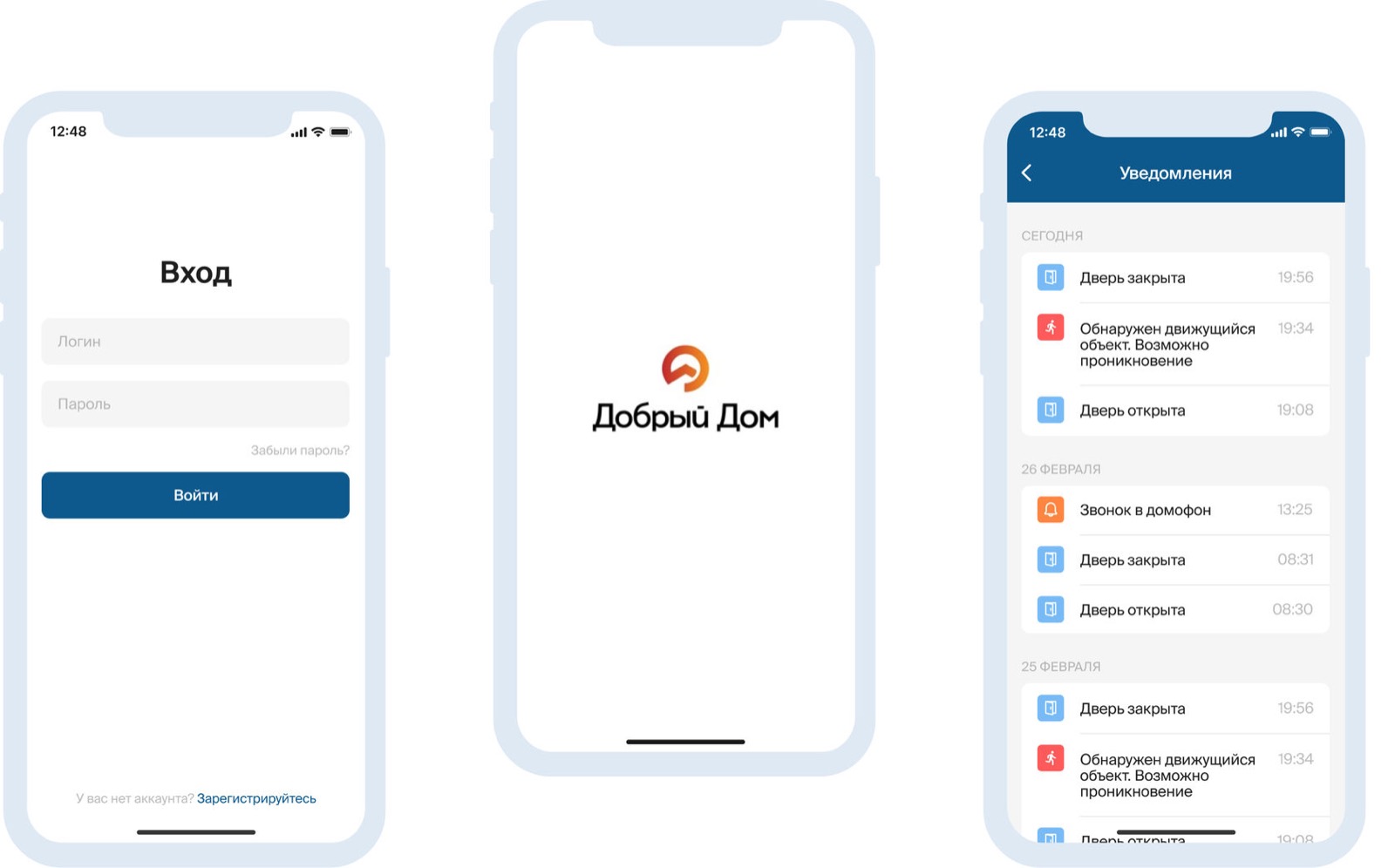
We created two key solutions that formed the basis of the relaunch:
In parallel the whole system was technically modernized:
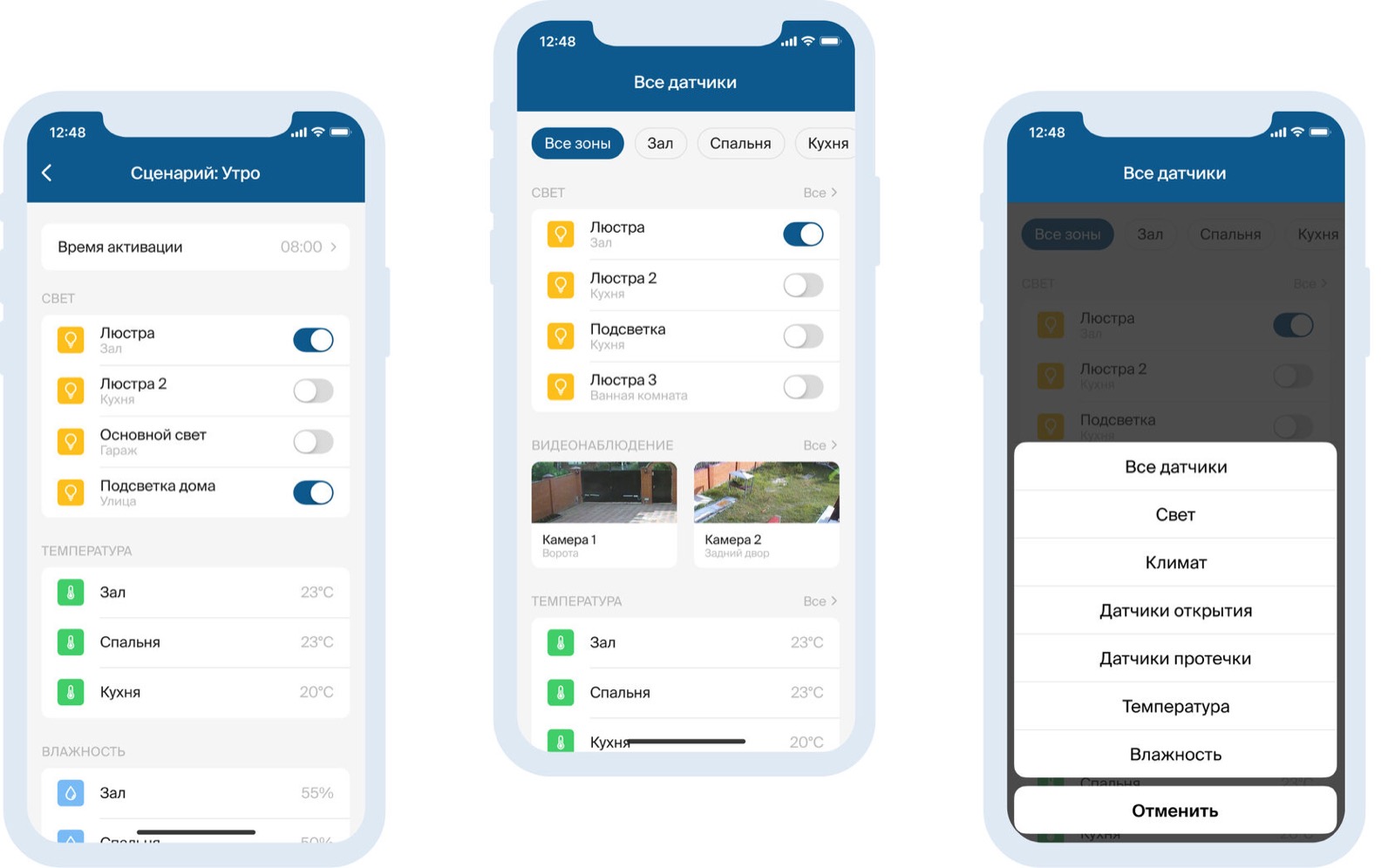
- An intelligent interface system. We designed a technology that automatically recognizes the type of connected device and its functions and replaces the manufacturer's original UI with a single, intuitive Smartera interface. Even if the firmware was raw, in the app the user sees a clear, tidy interface with correct logic. This greatly improved UX consistency and reduced the number of support requests. We also added a learning system that lets devices adjust to the user's preferences over time.
- A flexible scenario builder. The user can create automatic scenarios without programming skills: for example, turning on the lights at sunset, closing the blinds automatically when the light level drops, or notifications when motion sensors are triggered. Scenarios run stably even with an unstable internet connection. We added hints and templates so that even inexperienced users can set up basic scenarios right away.
In parallel the whole system was technically modernized:
- a gateway was developed that speeds up data exchange 2.5 times;
- the Zigbee protocol was introduced, letting devices run for up to 10 years on one battery;
- the architecture was optimized: now even tens of thousands of devices work in sync and without lag;
- offline operation without a cloud connection was implemented, with all actions happening locally through the Huawei router;
- a logging system was added that helps developers track device behavior and fix errors quickly;
- an admin panel was built for real-time monitoring of the whole ecosystem and remote diagnostics of devices.
The project was international. At one stage the Huawei team became completely unavailable because of the Chinese New Year celebrations. Thanks to risk management, parallel planning and the high autonomy of our team, we carried on without delays.
We delivered to the client:
We delivered to the client:
- a scalable product architecture;
- a single UX for all devices;
- a stable and autonomous control system;
- an interface that users understand;
- documentation and tools for scaling the platform in other countries.
The result:
- More than 10,000 devices moved to the new UX.
- A lower entry barrier: users start using the smart home sooner.
- Device setup time cut 3 times.
- Higher user satisfaction.
- Stable operation of the platform even under heavy load.
- The client got a scalable solution for entering the international market.