MIFOT, Skolkovo Technopark 2026
“A digital safety culture: why AI does not work without changing how people think”
MIFOT-26, Skolkovo Technopark: AI in occupational safety — technology does not work without culture
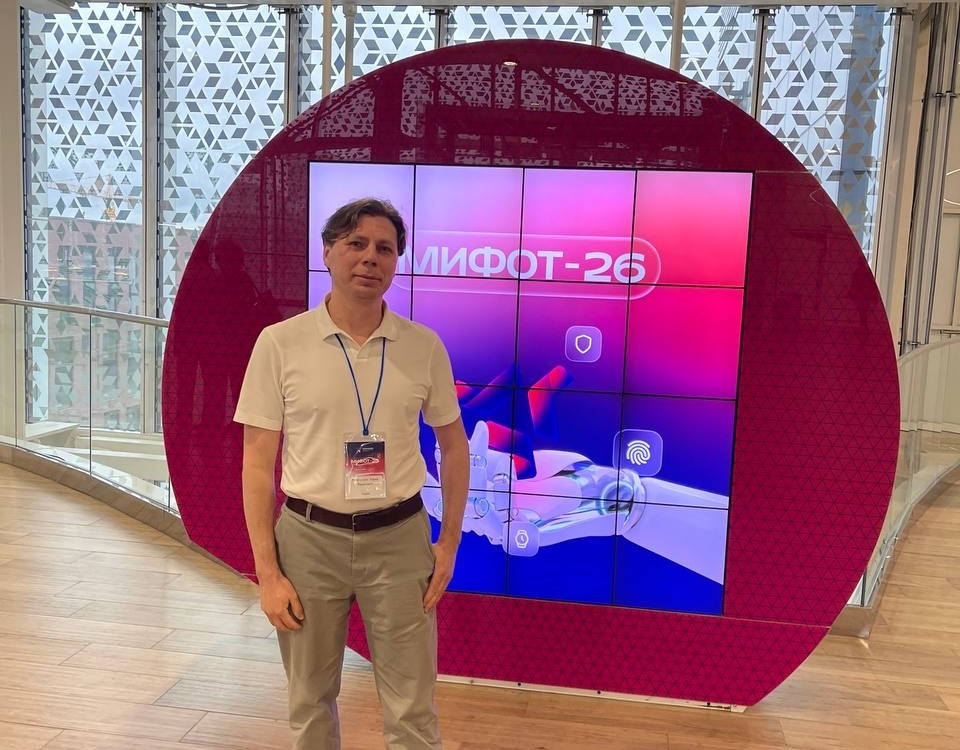
On April 23, 2026, Skolkovo Technopark hosted MIFOT-26, the year's key event in the digitalization of occupational safety in Russia. The forum brings together industrial companies, developers, EHS specialists and digital transformation directors: in 2025 it gathered more than 150 participants on site and over 2,000 online. In 2026 the organizers bet on even more practice, real cases and demonstrations of working technology: from video analytics and IoT devices to generative AI and voice assistants.
The talk
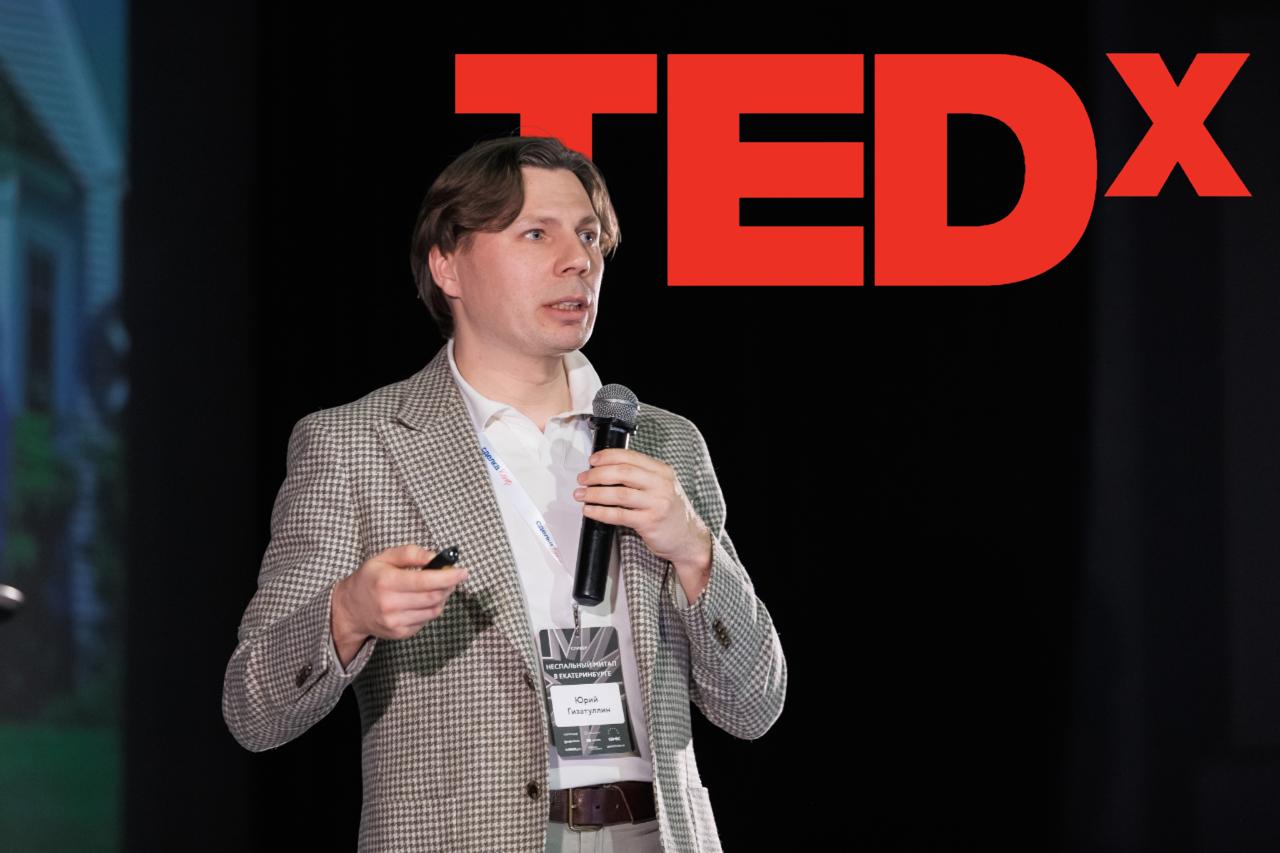
Yuri Gizatullin gave the talk “A digital safety culture: why AI does not work without changing how people think” as part of a panel discussion. After the talk more participants came up to him than to any other speaker on the panel, all with the same question: can AI check workers as they start their shift every morning?
The short answer is yes, it already can. But that is not the problem to solve first.
Key points
The main conclusion
An occupational safety specialist will be replaced not by AI but by a more effective specialist who has brought AI into their work. This point sparked a lively discussion and became one of the most quoted at the forum.
On April 23, 2026, Skolkovo Technopark hosted MIFOT-26, the year's key event in the digitalization of occupational safety in Russia. The forum brings together industrial companies, developers, EHS specialists and digital transformation directors: in 2025 it gathered more than 150 participants on site and over 2,000 online. In 2026 the organizers bet on even more practice, real cases and demonstrations of working technology: from video analytics and IoT devices to generative AI and voice assistants.
The talk
Yuri Gizatullin gave the talk “A digital safety culture: why AI does not work without changing how people think” as part of a panel discussion. After the talk more participants came up to him than to any other speaker on the panel, all with the same question: can AI check workers as they start their shift every morning?
The short answer is yes, it already can. But that is not the problem to solve first.
Key points
- 80% of occupational safety digitalization projects fail, not because of bad technology but because the culture and people's thinking do not change. Companies want to buy a result and end up buying one more expensive system.
- The top 5 mistakes in rolling out digital solutions in occupational safety: a breakdown of real cases.
- What already works right now: voice AI assistants for safety briefings, predictive analytics of incidents, automated checklists.
- A digital safety culture in 90 days: how to turn a box-ticking obligation into real employee behavior, without coercion, through engagement.
- The leader's role: safety begins in the director's office, not on the shop floor. The main tool of change is the leader's personal involvement.
- 3 practical steps to a working digital safety system without multimillion investments.
The main conclusion
An occupational safety specialist will be replaced not by AI but by a more effective specialist who has brought AI into their work. This point sparked a lively discussion and became one of the most quoted at the forum.