Sdelka.Conf, Yekaterinburg 2026
“How to create a symbiosis of humans and technology: the digital culture of the real estate developer in 2030”
Sdelka.Conf, Yekaterinburg 2026: the symbiosis of humans and technology in real estate development
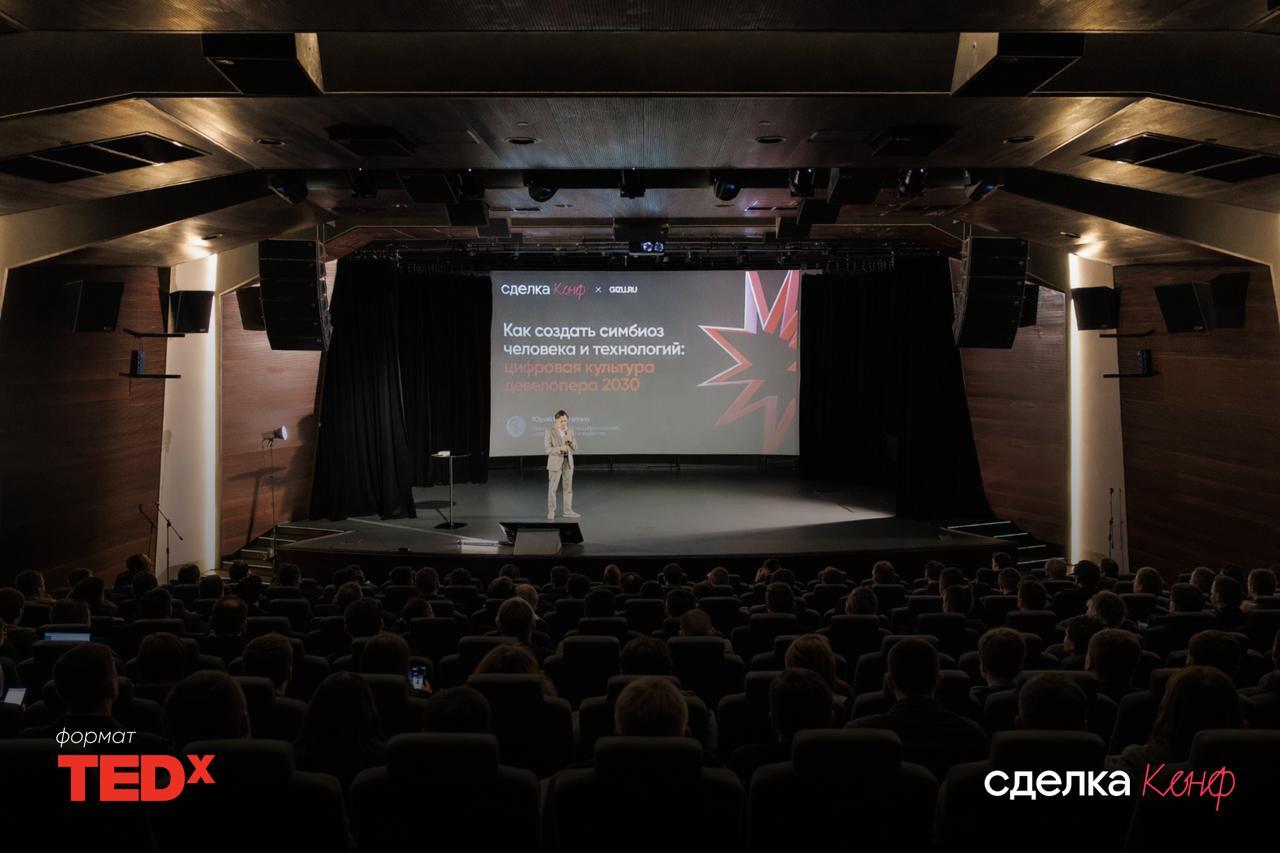
Sdelka.Conf (“The Deal”) is one of the toughest professional venues of the Russian real estate development market. The conference gathers the people who make the market: on stage and in the hall are top managers from Brusnika, UMMC, Alfa-Bank, GMK, Dvizhenie and a dozen and a half other companies. The format is TEDx-style: short, dense, concentrated talks with no corporate fog. Conferences like this are where the decisions that later change the industry are born.
Sdelka.Conf (“The Deal”) is one of the toughest professional venues of the Russian real estate development market. The conference gathers the people who make the market: on stage and in the hall are top managers from Brusnika, UMMC, Alfa-Bank, GMK, Dvizhenie and a dozen and a half other companies. The format is TEDx-style: short, dense, concentrated talks with no corporate fog. Conferences like this are where the decisions that later change the industry are born.
The talk
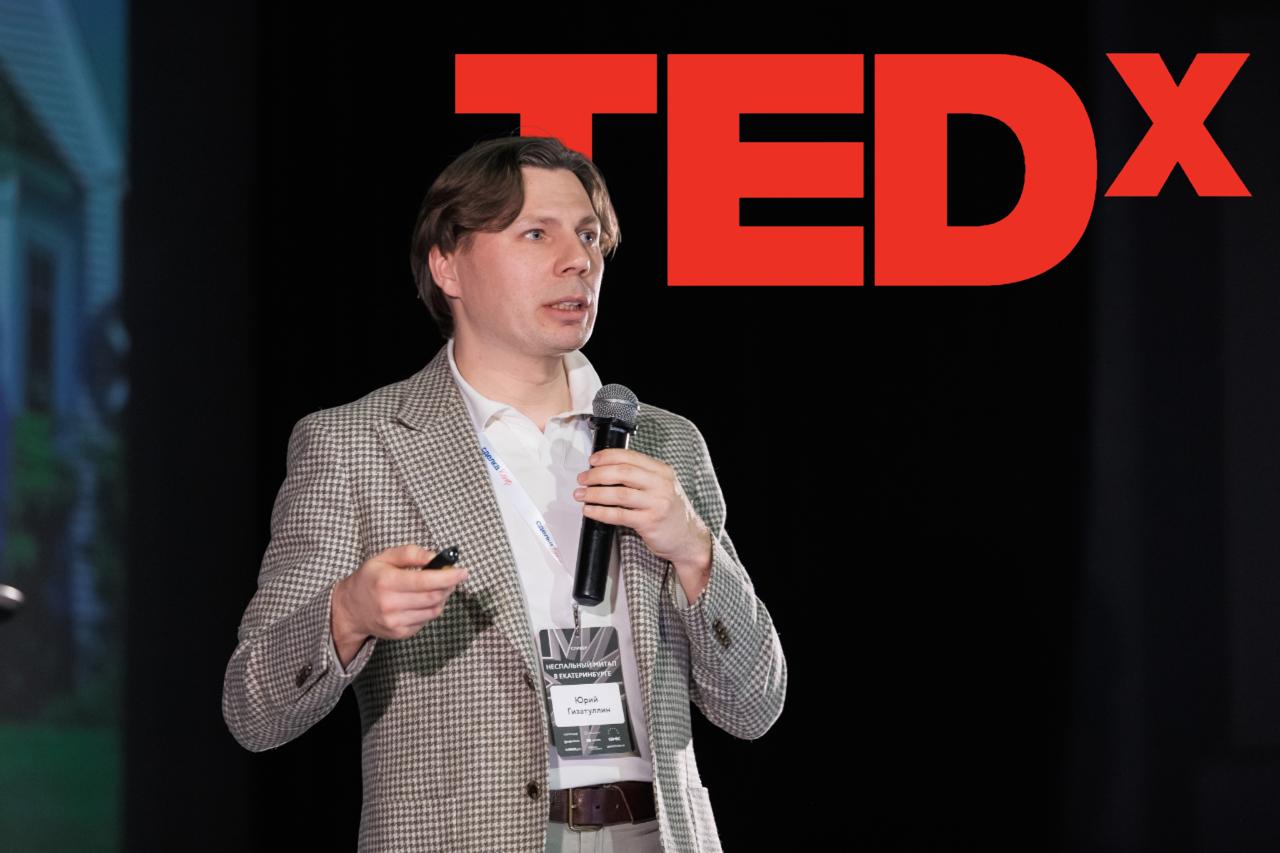
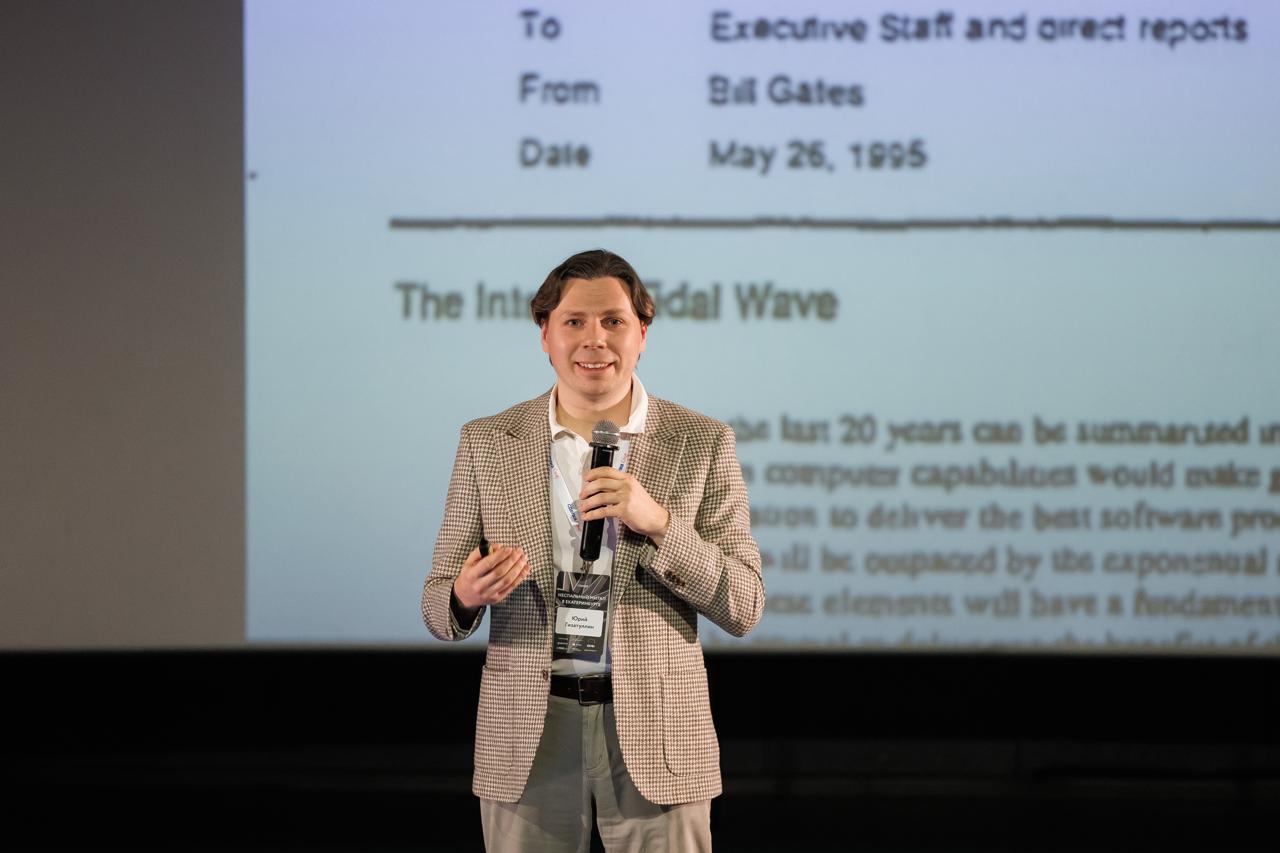
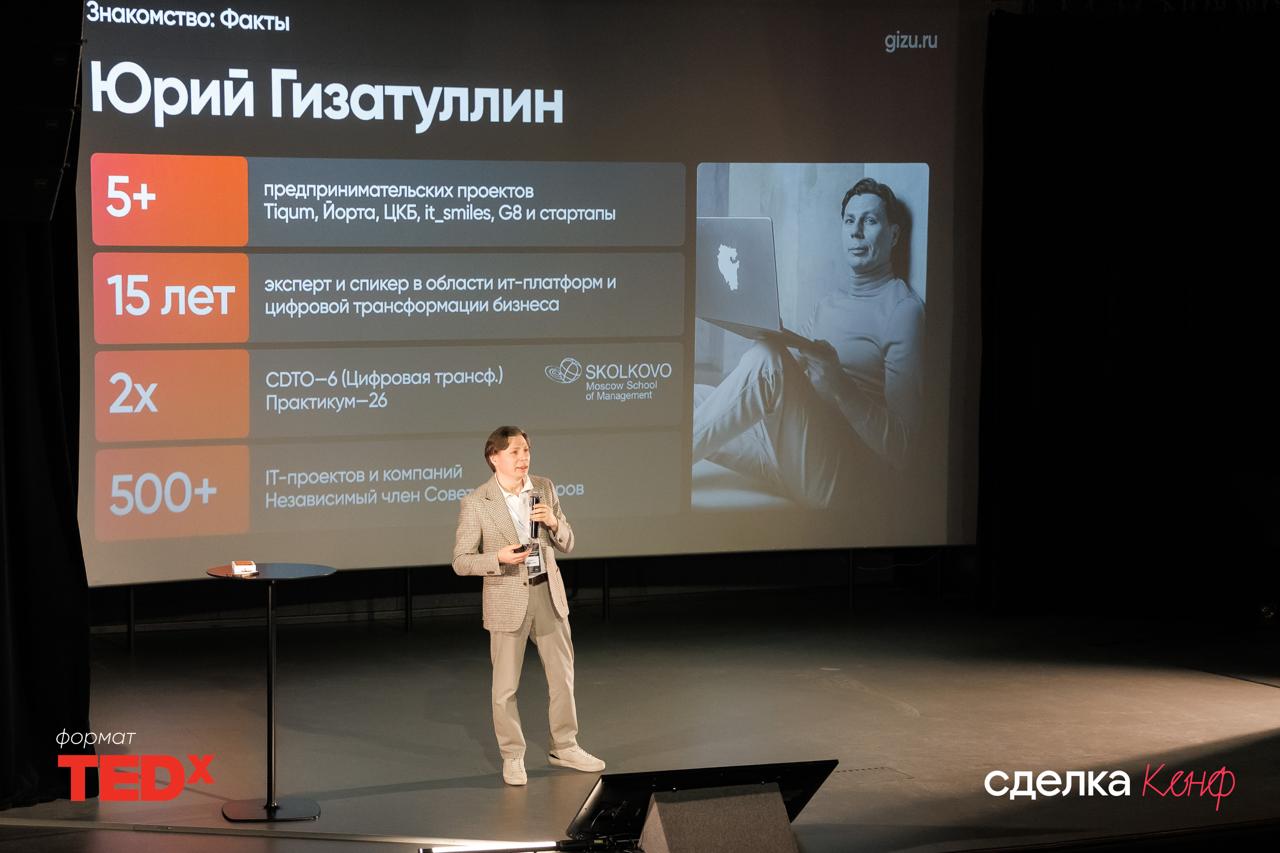
Yuri Gizatullin gave the talk “How to create a symbiosis of humans and technology: the digital culture of the real estate developer in 2030”. Despite the technological sound of the topic, the conversation was not about neural networks and tools but about people. The starting point was Bill Gates's famous 1995 memo “The Internet Tidal Wave”, in which he accurately predicted the internet trends. Yet Microsoft still lost the battle for search, the cloud and mobile devices. Because knowledge alone changes nothing unless people and the company's internal culture change.
Real estate is the world's largest market, worth 380 trillion dollars, and at the same time one of the least digitized. That is both a risk and a colossal opportunity.
Key points
The main conclusion
Digital culture is the foundation, not a superstructure: clear priorities, an understandable management rhythm, decisions based on data rather than authority. Without it any technology remains expensive decor on top of an old way of thinking. And in five years it will no longer be possible to buy a digital culture: it has to be grown right now.
More about the talk and its key ideas in Yuri's Telegram post (in Russian).
A video of the talk (in Russian) is available here.
- An ecosystem: an expensive toy or a basic need? How to tell what a company really needs from what was bought to follow fashion.
- How not to burn the budget: why companies automate chaos without first building processes and do development for development's sake.
- From selling square meters to selling meaning: the “Golden Circle” effect and why it changes a developer's competitive position.
- Why 80% of AI rollouts fail: three systemic reasons, namely chaos in processes, a focus on internal wishes instead of real demand, and the absence of a digital culture.
- AI 2030: an exoskeleton or a full replacement of people? The key metaphor of the talk: artificial intelligence strengthens the human but does not replace them. But an exoskeleton only works where there is a culture of using it.
- An express test of digital maturity: what to implement, and whom to let go, in order to overtake the market.
The main conclusion
Digital culture is the foundation, not a superstructure: clear priorities, an understandable management rhythm, decisions based on data rather than authority. Without it any technology remains expensive decor on top of an old way of thinking. And in five years it will no longer be possible to buy a digital culture: it has to be grown right now.
More about the talk and its key ideas in Yuri's Telegram post (in Russian).
A video of the talk (in Russian) is available here.