LonelyTech: how technology is changing the notion of loneliness
The founder of Tiqum on how the LonelyTech market is forming, why digital loneliness is growing and what role artificial intelligence plays in it

According to international studies, the number of people living alone is growing in all developed countries. Against this background a new field has formed, LonelyTech: technology meant not just to compensate for a lack of communication but to offer new forms of interaction with the world.
Entrepreneur and Tiqum founder Yuri Gizatullin told RBC Companies how this market is developing and which solutions are already appearing in Russia.
Where did the LonelyTech trend originate, and why there?
This field arose in countries where two factors coincided: a high percentage of lonely people and a developed infrastructure for technology entrepreneurship. First of all Japan and the US. Today about 35% of Japanese and 29% of Americans live alone. For comparison, in the 1940s in the US it was only 8%.
The main reason is rising prosperity. People no longer need a partner to survive, run a household or provide for themselves.
The pandemic added to this and showed that you can live, work and develop without physical contact. That is when platforms like Lunchclub and Bumble for Friends, voice social networks like Clubhouse and digital therapists like Wysa or Replika began to grow actively.
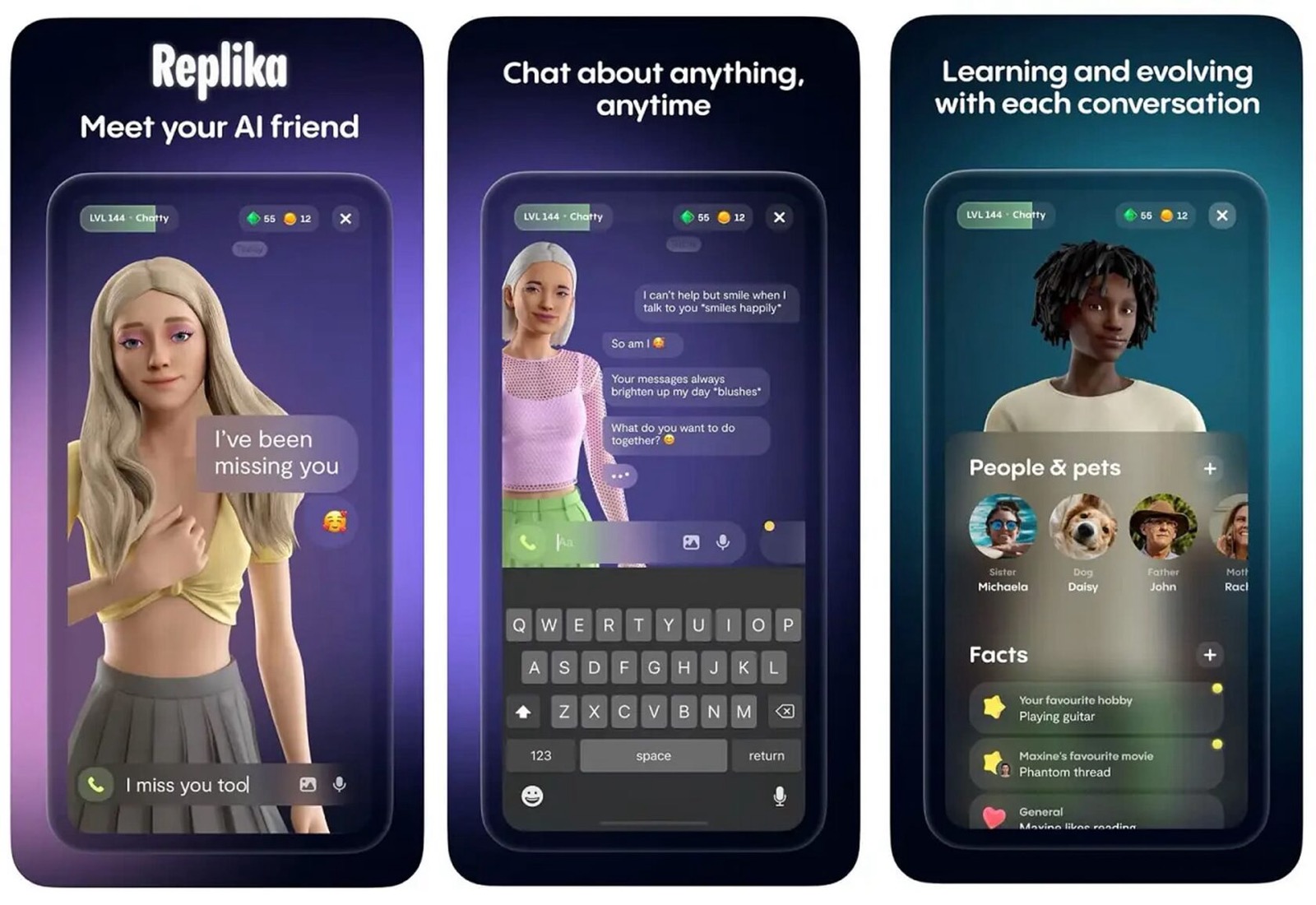
Loneliness has become not an exception but a structural part of the modern urbanized way of life.
And how are things in Russia? Do we have projects of our own in this field?
In Russia the market is only forming. It is fragmented, and most solutions are not yet positioned as “LonelyTech”, although in fact they are.
Online psychology services such as Yasno, Alter and YouTalk are growing actively. They are especially in demand among Generation Z, for whom seeing a psychologist is the norm.
Besides that, classic dating apps are rebuilding themselves: Twinby, Pure and Mamba already offer a format for finding not only a partner but also a friend or someone to talk to without romantic aims.
A feature of Russia is the transitional character of its culture.
On the one hand strong family traditions remain; on the other, urbanization and digitalization increase social isolation, especially in big cities.
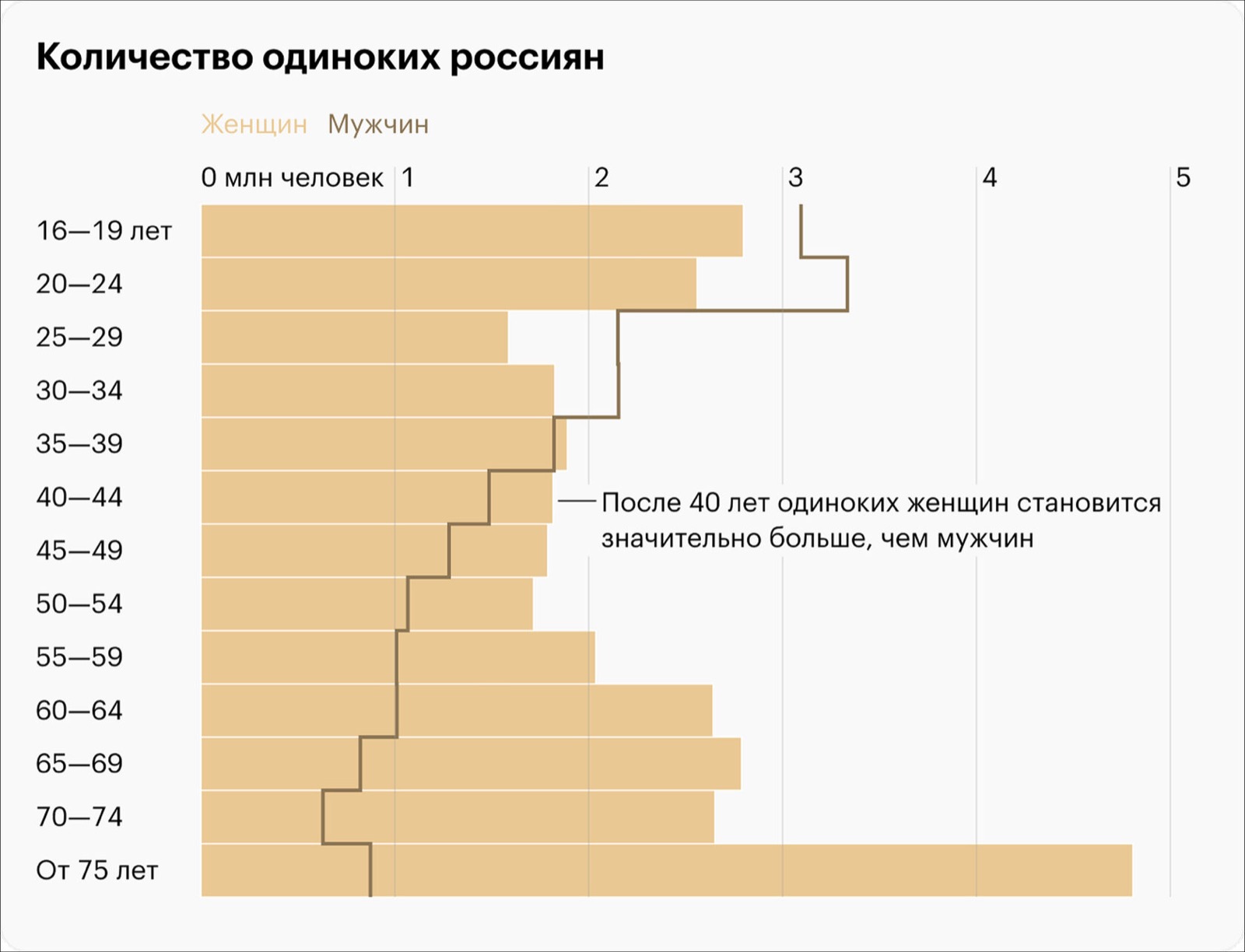
Can we say that Russians have become lonelier? Why has this process intensified?
Yes, loneliness really has become more noticeable.
First, again, prosperity has grown, and a person can afford to live alone.
Second, the mass move to remote work has changed the models of socializing. According to HSE University, more than 40% of office employees in big cities work in a hybrid or fully remote format. This reduces the number of chance social contacts.
The third reason is the drop in the level of trust. According to the Levada Center, more than 60% of Russians believe that “most people cannot be trusted”. This directly affects the readiness to build new connections.

And finally, according to Rosstat, about 25% of urban households today consist of one person. That is almost as in the US, 29%.
So we have the same trends, just with a slight time lag.
How do you see LonelyTech developing in the next 5–7 years?
The vector is obvious: more and more communication will be digital, and artificial intelligence will begin to play a key role in it.
AI companions like Replika will become more emotionally sensitive, and their “behavior” will adapt to a person's psychological state.
We will see the development of services for temporary connection: “a friend for an hour”, “someone to talk to for an evening” or apps that help deal with social anxiety.
AR solutions will appear that let you be “in company” even while physically alone.
And individual solo experiences (travel, cinema, leisure) will work on the principle of “Spotify for life”: algorithms will pick experiences that suit you specifically.
On the horizon are serious philosophical and ethical questions. After all, humans as a biological species developed for thousands of years in society. Our brain is not ready for such a rapid restructuring, but technology is moving exactly there.
Can we say that technology will solve the problem of loneliness?
I would put it differently: it does not eliminate loneliness but makes it more manageable.
Technology does not replace human relationships but creates new forms of connection: with communities, with digital characters, even with oneself.
In this sense LonelyTech is less about therapy than about adaptation.
Today loneliness is not a deviation but a new socio-economic reality. And if business knows how to feel it, it can create products in demand that help people not just “fight” loneliness but live with it in harmony.