Yuri Gizatullin: 2025 was the year digitalization stopped waiting
The founder of Tiqum on how the digital integrator won 7 Tagline Awards, launched a beauty-tech startup and finished two books in one turbulent year

The Russian IT market will remember 2025 as a time of accelerated transformation, when business stopped putting digitalization off “until later” and began adopting technology in order to survive. Yuri Gizatullin, founder of the digital integrator Tiqum, with 18 years of experience, told RBC Companies how his team won 7 awards at Tagline Awards, one of Europe's largest digital competitions, launched new startups, and why 2025 turned out to be both the hardest and the most productive year of his career.
— Yuri, how would you describe 2025 for the IT business?
Honestly, it was the year when “winter came”, and not metaphorically. The market turned 180 degrees. Technology began replacing people faster than even the boldest analysts had forecast. Competition sharpened to the limit. But it is in such conditions that the wheat is separated from the chaff: those who were building platforms and ecosystems kept growing, while plain contractors came under pressure.
For Tiqum every Monday brought a new challenge and every quarter new rules of the game. But that is exactly what confirmed that we are on the right path. When the market shakes, the strongest survive.
— In December Tiqum won 7 Tagline Awards. Tell us more.
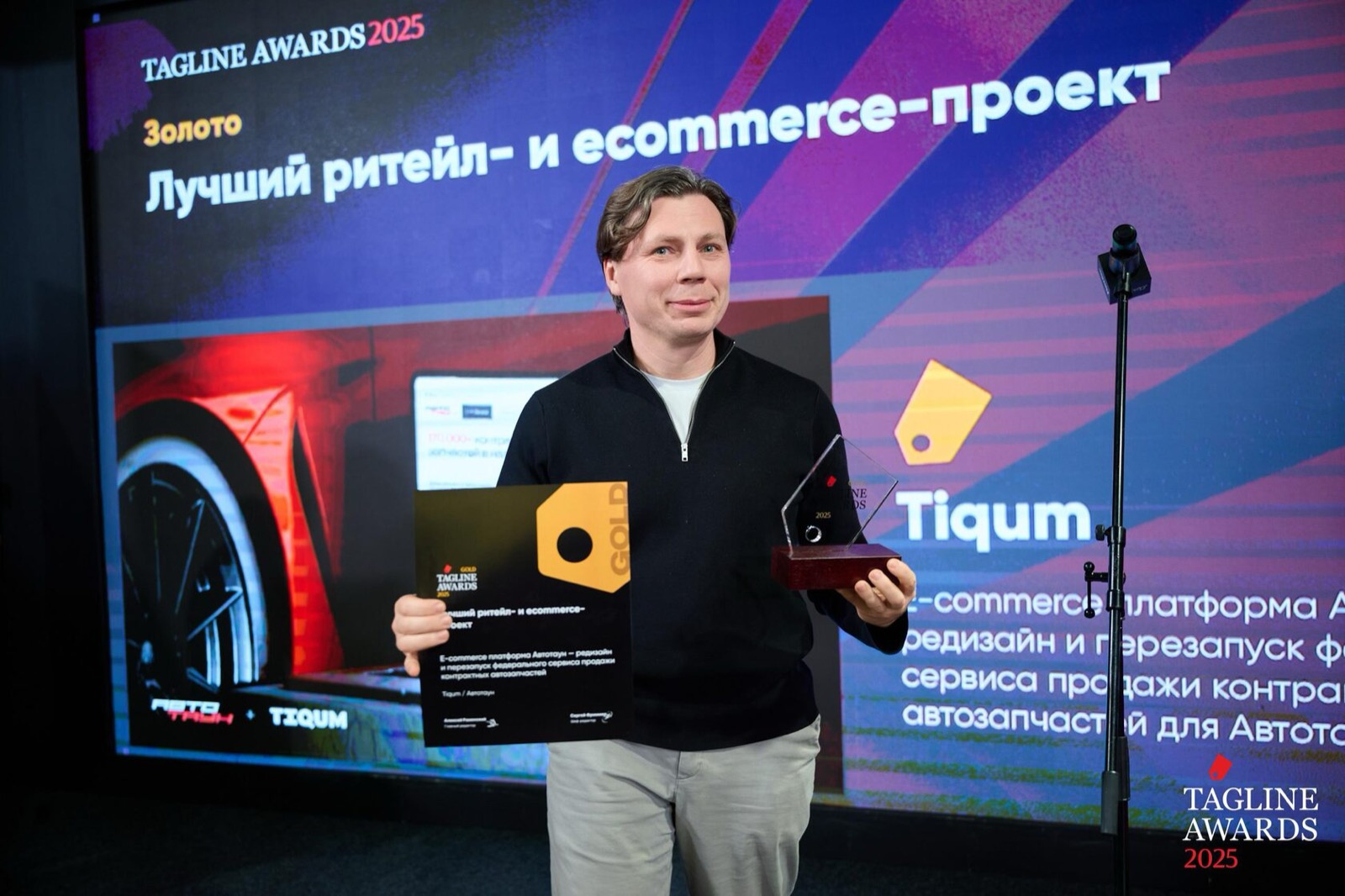
Yes, it was a landmark event. We brought home 2 golds, 2 silvers and 3 bronzes for projects in e-commerce, systems integration and import-substitution solutions. It is especially pleasing that the awards went to products that are completely different in nature: from a national platform for selling auto parts to HydroWeb, engineering software for excavation design.
This year, for the first time, I went to collect the awards on stage in person. I usually sent the team, but I decided that when the projects are of this scale, I should be there myself. That makes 16 Tagline awards in the past two years, which underlines how systematic our approach is.
— Besides Tiqum, you launched several projects of your own. Tell us about them.
I have a rule: if you see a market that can be changed by technology, do it yourself. In 2025 we brought several such ideas to life.
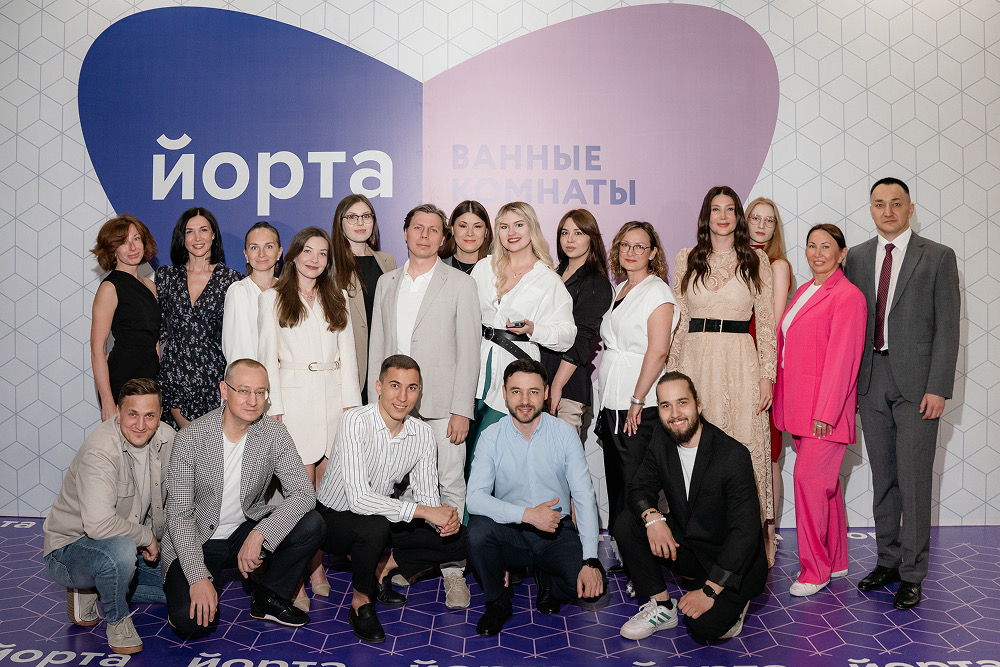
Yorta is a platform for fitting out bathrooms. This year we opened our first physical showroom in Ufa. It is not just a plumbing store but a space where technology and design work together. Customers can visualize how their bathroom will look with the brand's products using AR.
6ID is a beauty-tech project that changes the approach to skincare through artificial intelligence. It offers personalized diagnostics and selection of cosmetics based on photo analysis. The beauty-tech market in Russia is growing fast, and we want to become one of the key players.
— And what about the books? You mentioned finishing two in a year.
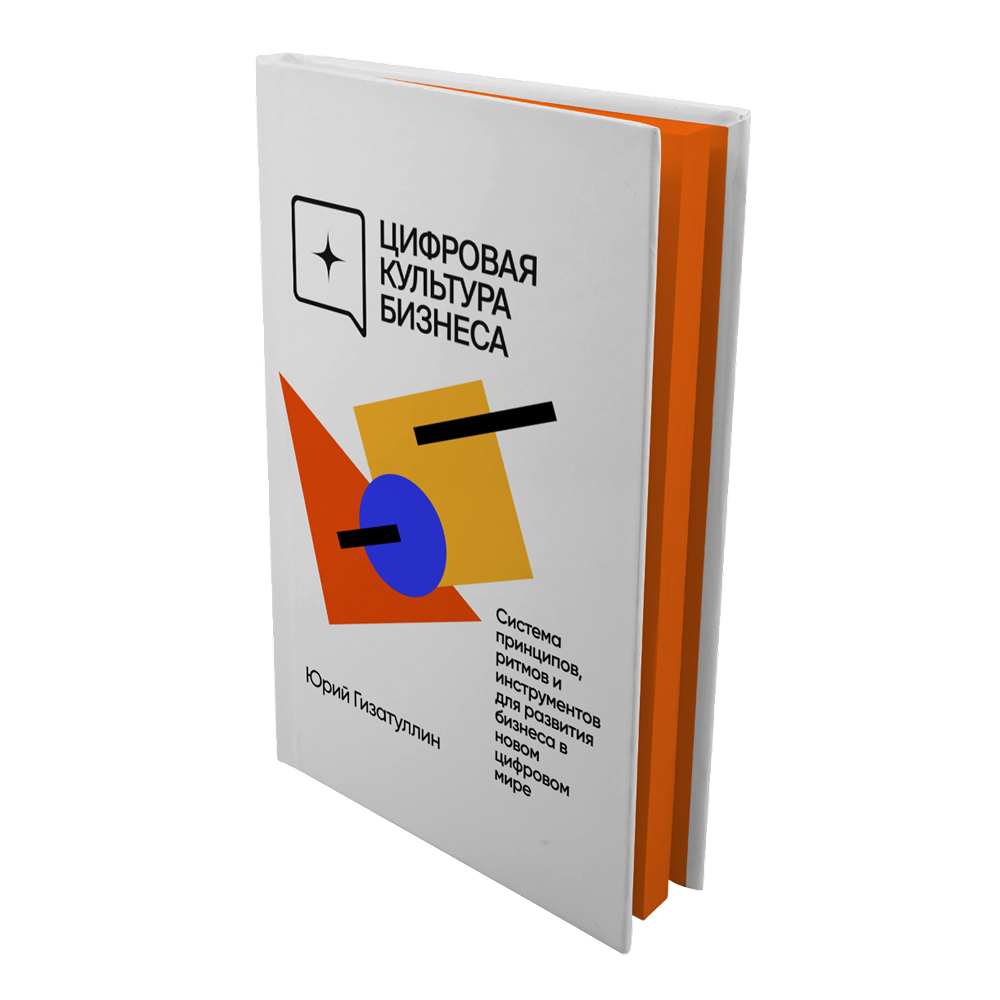
Yes, for me it was an important personal milestone. The first book, “The Digital Culture of Business”, is a systematic work on why 80% of digital transformation projects fail. It is based on my 18 years of experience and explains how to introduce technology so that it really works rather than sits there as dead weight.
Yes, for me it was an important personal milestone. The first book, “The Digital Culture of Business”, is a systematic work on why 80% of digital transformation projects fail. It is based on my 18 years of experience and explains how to introduce technology so that it really works rather than sits there as dead weight.
The second is “88 Prompts for Business”. It is a practical toolkit for those who want to use AI right now, without long theoretical immersion. I decided to give it away free to all my subscribers in 2026: let business benefit from AI rather than fear it.

— You were very active in the media. How important is that for an IT company?
Critically important. In 2025 I had more than 630 media mentions: RBC, Forbes Russia, T-Business Secrets, Hi-Tech Mail and other outlets. The media now come for expert opinion themselves, which speaks of an established reputation.
But the main thing is not the number of publications; it is the quality of communication. A year ago we began publishing bylined articles on RBC in plain language: we explain digital transformation so that owners understand how it affects their money. It works better than any advertising.
— Which talks were the most memorable?
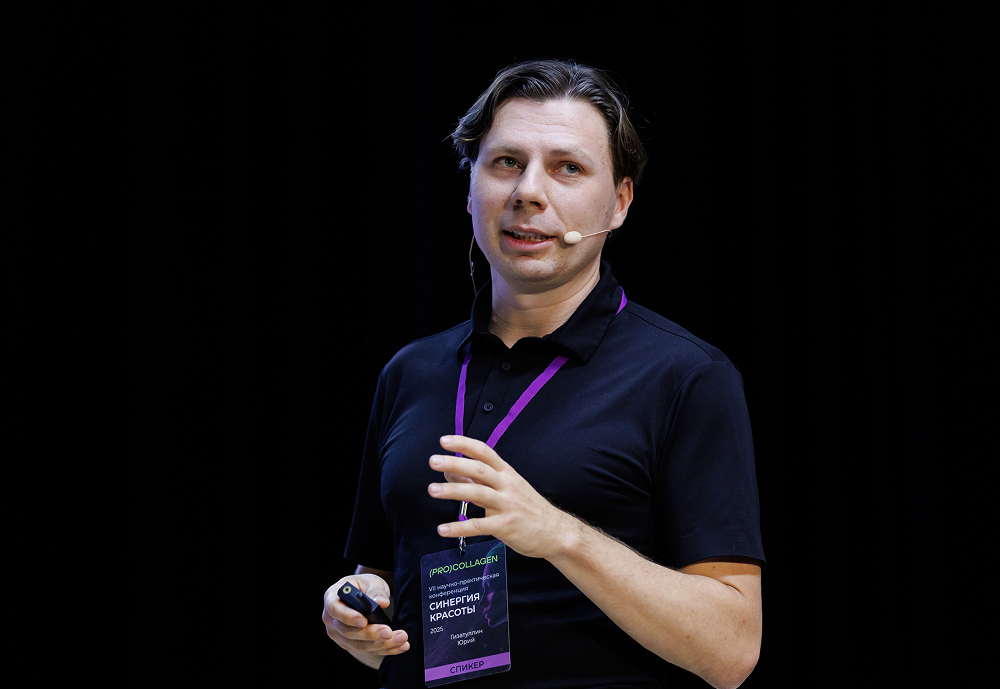
I spoke at KazanForum, twice at TechWeek (in May and November), at Kazan Digital Week, the Synergy of Beauty conference, a closed business club and the Ural Business Cluster. Plus corporate meetings and a podcast about AI in the beauty industry.
Every talk is a dialogue with business about how to survive in the new reality. I am invited precisely for honesty: I do not sell illusions but say what works and what is a waste of money.
— You ran 50+ diagnostic sessions. What are they?
It is a format I developed for quickly assessing a company's level of digital maturity. In 2–3 hours we go through the business processes, the IT landscape and the bottlenecks and give specific recommendations: what to automate first, where money is being lost, which technologies are really needed.
In January 2026 I am opening this opportunity to the audience of my channel as well. Many owners do not know where to start with digitalization, and this format is exactly for them.
— How do you find a balance between business and personal life?
That is the hardest question. The Ufa–Moscow flight has become like a bus for me: I am on the move every week. But I try not to miss family traditions.
The annual “Fathers and Children” rafting trip is sacred. The river, campfires, conversations with the children about what matters, far from gadgets. Holidays together and a lot of time with the family. My daughter already beats me at tennis and go-karting, which is a special source of pride.
This year I discovered tennis and completed a “100 days of 100 push-ups” challenge. For me movement is energy for everything else. I also strengthened our family traditions: a “Yes Day” every month, an advent calendar for the 31 days before New Year, and one-on-one time with each child.
— What next? What are the plans for 2026?
There were more plans than I managed to carry out in 2025. But every step brings me closer to goals that once seemed unattainable. In 2026 the focus will be on scaling the startups: Yorta and 6ID should reach national level.
Tiqum will continue working with large corporations, but with an emphasis on platform solutions rather than one-off projects. The world is changing too fast to mark time. Whoever does not move forward rolls back.
Thank you to everyone who was by my side this year, supported me and helped create the future. 2025 is behind us; new challenges and new victories lie ahead.