The founder of Tiqum gave a TEDx-style talk at Sdelka.Conf in Yekaterinburg
Yuri Gizatullin told real estate developers why up to 80% of AI rollouts deliver no result and how digital culture is becoming the main asset of a business

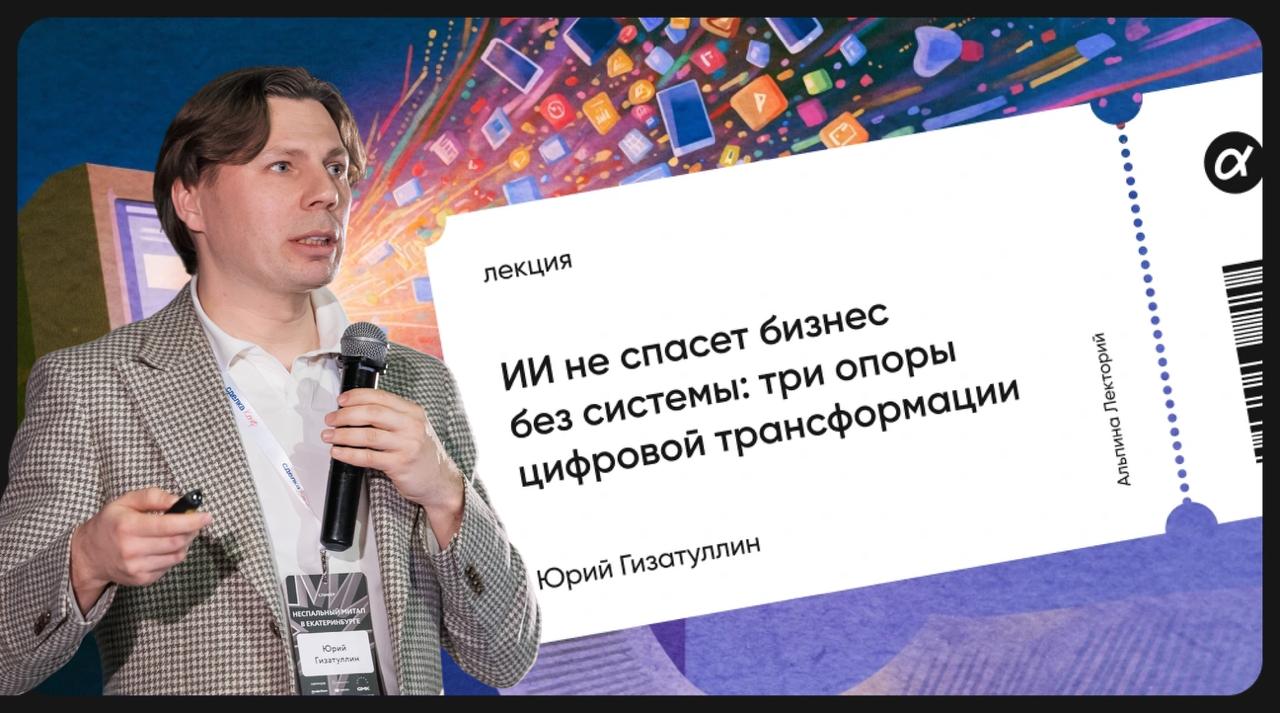
Yuri Gizatullin, founder of the digital integrator Tiqum, spoke at Sdelka.Conf, a conference for real estate developers in Yekaterinburg. The talk was given in TEDx format and was devoted to the symbiosis of humans and technology, one of the key challenges for the construction industry in 2026.

Real estate: the largest market with minimal digitalization
Real estate is the world's largest market, worth 380 trillion dollars, yet one of the least digitized. Experts estimate that up to 80% of artificial intelligence rollouts in companies do not deliver the expected business effect. This paradox holds both the main risk and a colossal opportunity for developers who are ready to change systematically.
As a historical example, Yuri Gizatullin cited Bill Gates's famous 1995 memo “The Internet Tidal Wave”, in which the head of Microsoft accurately predicted the internet trends. Nevertheless the company later lost the battle for search, the cloud and mobile devices.
“Knowledge alone changes nothing unless people and the company's internal culture change,” the speaker noted.
Three reasons why AI does not work
In Yuri Gizatullin's observation, the cause of failed digitalization is almost never the technology itself. Companies make three systemic mistakes:
As a result the expensive software lives a life of its own, while real management decisions are still made “by feel” and in notebooks.
AI as an exoskeleton, not a replacement
The central metaphor of the talk was the image of the exoskeleton.
“Artificial intelligence is not a replacement for a person; it is their exoskeleton. It strengthens but does not replace,” Yuri Gizatullin said from the stage.
But an exoskeleton works only where there is a culture of using it. That is why the speaker devoted most of the talk to digital culture as the foundation of transformation: clear priorities, an understandable management rhythm and decisions based on data rather than authority. Without this, any technology remains a superstructure on top of an old way of thinking.
Real estate is the world's largest market, worth 380 trillion dollars, yet one of the least digitized. Experts estimate that up to 80% of artificial intelligence rollouts in companies do not deliver the expected business effect. This paradox holds both the main risk and a colossal opportunity for developers who are ready to change systematically.
As a historical example, Yuri Gizatullin cited Bill Gates's famous 1995 memo “The Internet Tidal Wave”, in which the head of Microsoft accurately predicted the internet trends. Nevertheless the company later lost the battle for search, the cloud and mobile devices.
“Knowledge alone changes nothing unless people and the company's internal culture change,” the speaker noted.
Three reasons why AI does not work
In Yuri Gizatullin's observation, the cause of failed digitalization is almost never the technology itself. Companies make three systemic mistakes:
- They try to automate chaos without first building basic processes.
- They do development for development's sake, guided by internal wishes rather than real demand.
- They buy tools without forming a digital culture within the team.
As a result the expensive software lives a life of its own, while real management decisions are still made “by feel” and in notebooks.
AI as an exoskeleton, not a replacement
The central metaphor of the talk was the image of the exoskeleton.
“Artificial intelligence is not a replacement for a person; it is their exoskeleton. It strengthens but does not replace,” Yuri Gizatullin said from the stage.
But an exoskeleton works only where there is a culture of using it. That is why the speaker devoted most of the talk to digital culture as the foundation of transformation: clear priorities, an understandable management rhythm and decisions based on data rather than authority. Without this, any technology remains a superstructure on top of an old way of thinking.

“Digital culture is the basis of the symbiosis of humans and technology we all want. And in five years it will no longer be possible to buy it. It has to be grown now,” Yuri concluded.
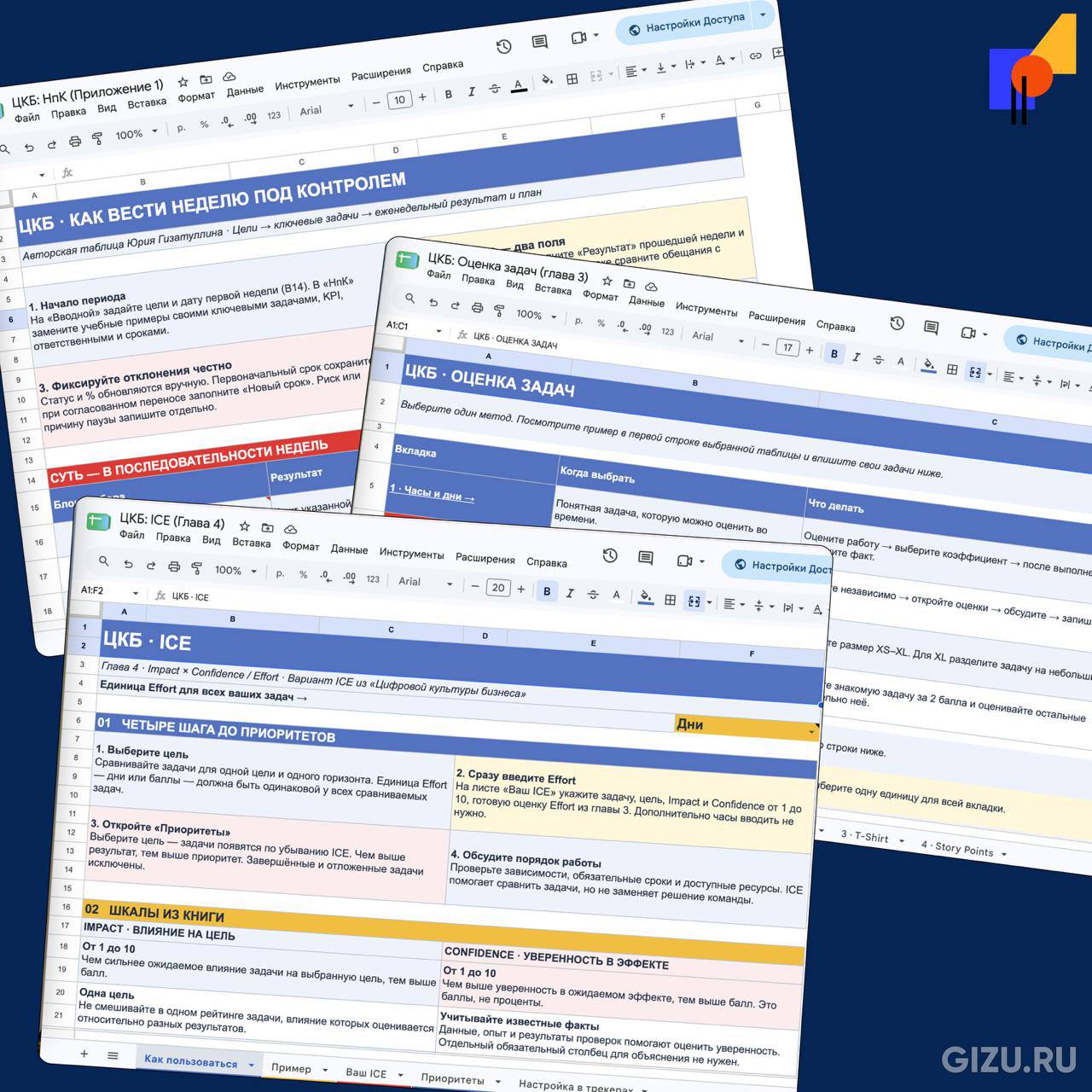
This is the subject of his book “The Digital Culture of Business”.
This is the subject of his book “The Digital Culture of Business”.