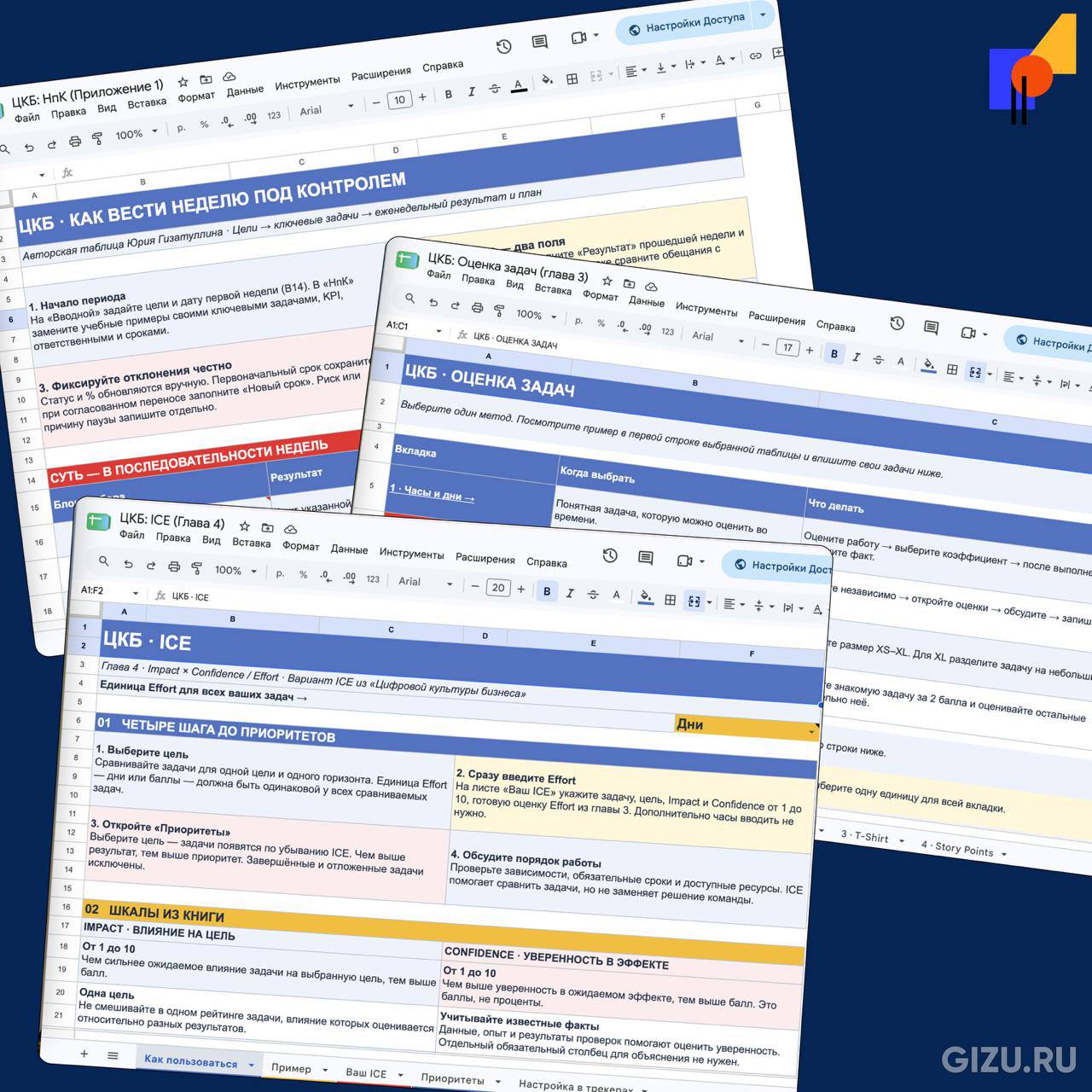
The Tiqum team explains how to calculate the real cost of an IT project
The Tiqum team explains how an entrepreneur can estimate the budget for developing a website or digital service on their own

Tiqum, a company specializing in digital products and platforms, has shared its method for calculating the cost of developing IT solutions. According to the company's founder, Yuri Gizatullin, many entrepreneurs still do not understand how the price of building websites and apps is formed, which leads to mistrust and inflated expectations.
“Business often sees IT development as a black box: at the end there is an invoice for several million rubles, and what happened inside is unclear. In reality everything is more transparent: the final sum always comes down to the number of hours the team spends on the project,” Yuri Gizatullin explained.
What the cost of development is made of
He gives the example of a typical project: building a website or a custom service from scratch. According to the Tiqum founder, the minimum team usually consists of:
At a standard load each specialist works 168 hours a month, about 672 hours in total. The average hourly rate of a middle-level specialist on the Russian market is around 3,000 rubles (roughly $30–35). So the cost of such a team for a month is about 2 million rubles.
How the overall project budget is formed
Developing a working prototype (MVP) of any digital product usually takes from three months, which gives a minimum budget of about 6 million rubles.
If the project uses more specialists (for example, a UX analyst, a DevOps engineer or a content designer), the sum grows proportionally.
However, with ready-made solutions (CMS platforms such as 1C-Bitrix, UI templates and code libraries) the team can be smaller, and the final cost falls 1.5–2 times.
“If the project uses ready-made components, you can reduce the team and get a budget of around 1–1.5 million rubles a month. It all depends on the level of customization and the complexity of the product's logic,” says Yuri Gizatullin.
Transparent pricing is the key to trust between business and IT
Tiqum notes that an open model of budgeting helps companies plan their digital transformation better and avoid conflicts when estimates are being agreed.
Today the IT development market is gradually moving from fixed prices to flexible time & materials models, where the client pays for the specialists' time actually spent. This makes projects more transparent and flexible, especially at the stages of refinement and testing.
“The most important thing is to teach entrepreneurs to understand the structure of the cost. Then the dialogue between business and developer turns from haggling into joint planning of the product,” the Tiqum founder stressed.
“Business often sees IT development as a black box: at the end there is an invoice for several million rubles, and what happened inside is unclear. In reality everything is more transparent: the final sum always comes down to the number of hours the team spends on the project,” Yuri Gizatullin explained.
What the cost of development is made of
He gives the example of a typical project: building a website or a custom service from scratch. According to the Tiqum founder, the minimum team usually consists of:
- a designer,
- a front-end developer,
- a back-end developer,
- a project manager who also acts as QA and product manager.
At a standard load each specialist works 168 hours a month, about 672 hours in total. The average hourly rate of a middle-level specialist on the Russian market is around 3,000 rubles (roughly $30–35). So the cost of such a team for a month is about 2 million rubles.
How the overall project budget is formed
Developing a working prototype (MVP) of any digital product usually takes from three months, which gives a minimum budget of about 6 million rubles.
If the project uses more specialists (for example, a UX analyst, a DevOps engineer or a content designer), the sum grows proportionally.
However, with ready-made solutions (CMS platforms such as 1C-Bitrix, UI templates and code libraries) the team can be smaller, and the final cost falls 1.5–2 times.
“If the project uses ready-made components, you can reduce the team and get a budget of around 1–1.5 million rubles a month. It all depends on the level of customization and the complexity of the product's logic,” says Yuri Gizatullin.
Transparent pricing is the key to trust between business and IT
Tiqum notes that an open model of budgeting helps companies plan their digital transformation better and avoid conflicts when estimates are being agreed.
Today the IT development market is gradually moving from fixed prices to flexible time & materials models, where the client pays for the specialists' time actually spent. This makes projects more transparent and flexible, especially at the stages of refinement and testing.
“The most important thing is to teach entrepreneurs to understand the structure of the cost. Then the dialogue between business and developer turns from haggling into joint planning of the product,” the Tiqum founder stressed.